
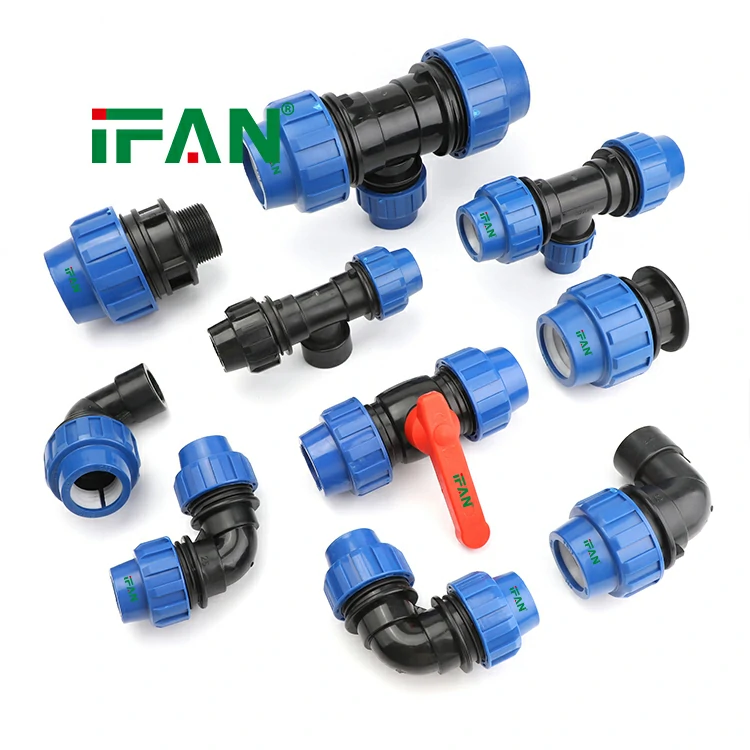
Hot Sale HDPE Fitting
Size:20-110mm
Material: PP
Brand: IFAN
Color: Blue Black
Application: Plumbing System
Send Inquiry
Product Details ofHot Sale HDPE Fitting
Essential Tools and Pre-Installation Requirements
Successful HDPE electrofusion installation begins with organizing the correct equipment and understanding the critical pre-conditions that affect joint quality. The required tools include a compatible electrofusion welding machine (matching the fitting manufacturer's specifications), an oxide removal scraper designed specifically for electrofusion prep (never angle grinders or generic scrapers), isopropyl alcohol (minimum 90% concentration), clean lint-free paper or cloth, a permanent marker, and a scanner for reading fitting barcodes.
Electrofusion fittings can be installed within an ambient temperature range of 14°F to 113°F (-10°C to 45°C), though extreme conditions may require additional measures such as heated enclosures for freezing temperatures. Always contact the fitting manufacturer to verify specific temperature limits for your product. The most critical pre-requisite-and the one that causes most field failures-is ensuring there is no water flowing or standing in the pipe that can reach the fusion surfaces. Flowing water in contact with fusion surfaces during the assembly or fusion cycle will turn into expanding steam, creating voids in the joint.
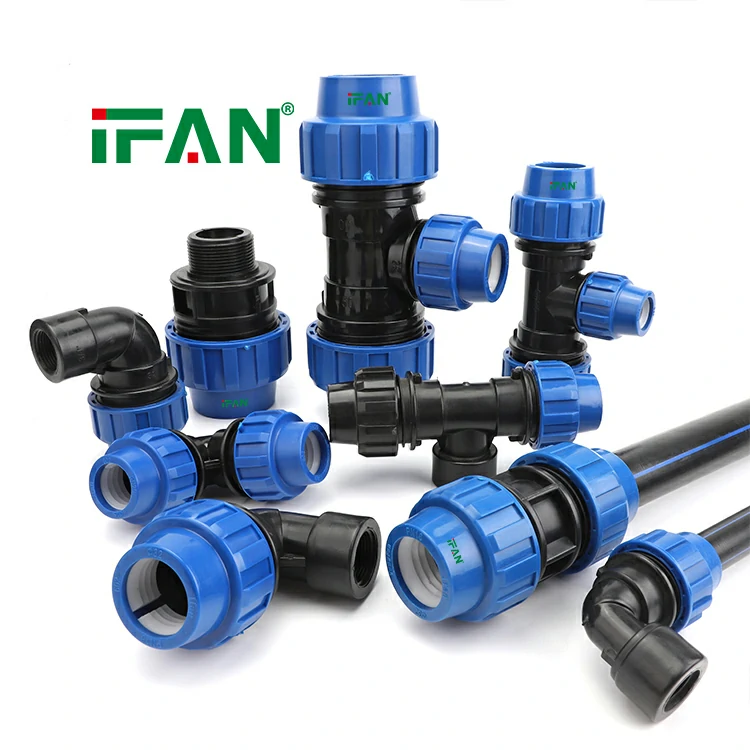
Surface Preparation: The Most Critical and Most Missed Step
Improper pipe surface preparation is overwhelmingly the leading cause of unsuccessful electrofusion joints. Pipe surfaces exhibit surface oxidation from the extrusion process, transportation, and outdoor exposure, which acts as a physical barrier to heat fusion.The goal of pipe peeling is to remove a thin layer of the outer pipe surface to expose clean virgin material beneath. Even new pipe straight from the factory must be properly peeled before electrofusion will be successful .
The depth requirement is deceptively small: an adequate minimum amount of material to remove is just seven one-thousandths of an inch (.007")-approximately the thickness of two sheets of ordinary paper.However, the surface area preparation must be complete. Use only tools specifically designed for electrofusion peeling, which can peel the pipe surface to a controlled depth .Sandpaper, Emory cloth, or other abrasives should never be used to prepare a pipe surface. Hand scrapers such as wood rasps and metal files are also not recommended.
Witness Marks, Contamination Prevention, and Assembly
After peeling the entire pipe surface that will contact the fitting, make witness marks on the pipe surface with a permanent marker such as a Sharpie, which dries fast and contains no oils. These marks allow you to verify that the pipe is fully inserted to the correct depth inside the fitting.
Avoid all possible recontamination of the prepared surface. This includes handling or even touching the peeled pipe surface or the inside of the coupling, as body oils and other contaminants can affect fusion joint performance. If the surfaces become contaminated, clean thoroughly with a clean, lint-free towel and isopropyl alcohol at minimum 90% concentration and allow to dry before assembling. Do not use alcohol with any additives other than water, as additives leave residues that prevent proper bonding .
Draw cross lines on the pipe surface to ensure the oxide layer is evenly removed across the full circumference. Insert the oxide-layer-removed pipe end into the fitting until the marking aligns precisely with the end of the fitting according to the socket depth.The assembly gap between pipe and fitting must be 0.3mm or less-use a feeler gauge to verify this condition.
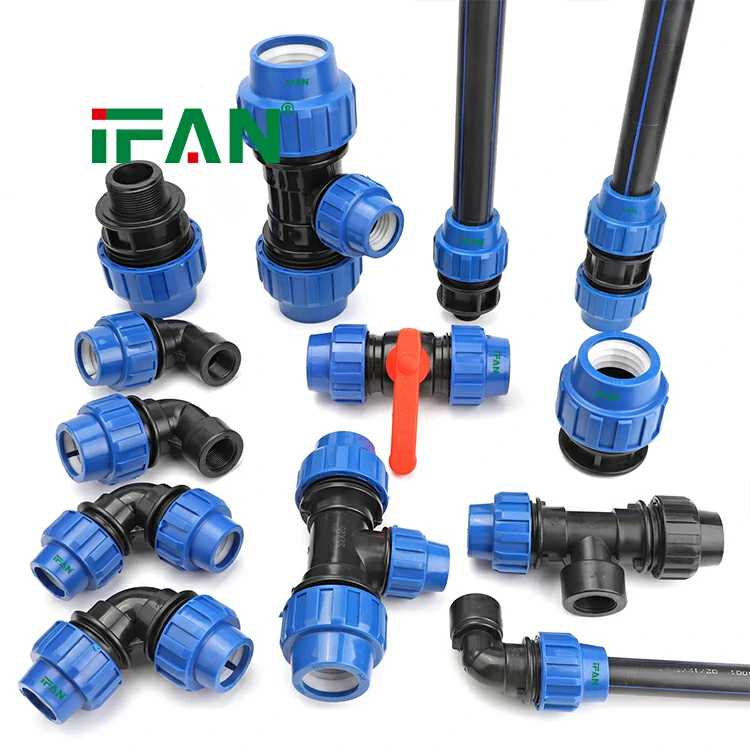
The Electrofusion Welding Process
Once assembly is complete and the pipe ends are fully inserted into the fitting, the welding process begins. Scan the barcode on the fitting using the scanner connected to the electrofusion welding machine. Modern electrofusion fittings store their specific welding parameters (voltage, fusion time) in the barcode, eliminating guesswork.
Connect the welding machine leads to the terminals on the fitting. The machine automatically sets the welding voltage and time according to the barcode data. Initiate the fusion cycle and observe the fitting throughout the process. During welding, you should see the indicator pin or middle cap of the fitting rising as the polyethylene expands during melting-this confirms the welding operation is proceeding correctly. After the programmed fusion time completes, the machine will typically print a receipt documenting the weld parameters for quality assurance records .
Cooling Phase: Do Not Rush
After the welding machine indicates the heating cycle is complete, the cooling phase begins-and this phase is equally critical to final joint integrity. During the cooling phase, the assembly must remain completely stationary and undisturbed. Do not move the pipe, step on the pipeline, or attempt to disconnect the fitting clamps during this period .The cooling phase is essential because polyethylene softens when heated, making it vulnerable to stresses from external forces such as pipeline weight and bending.
The cooling time required varies by fitting size and is specified by the manufacturer. After cooling completes and the joint has returned to ambient temperature, inspect the witness marks you placed before welding to confirm that the pipe did not back out of the fitting during the fusion process. If the pipe has moved, the joint is compromised and must be cut out and replaced.
Defect Detection: Gouges and Scratches
During pipe preparation, if the scraper creates gouges in the pipe surface that are deeper than 10% of the pipe wall thickness, the pipe section at that location must be cut out and replaced. Gouges exceeding this depth compromise the pressure rating of the pipe and will become failure points under sustained pressure.
Visually inspect the finished electrofusion joint for any indication of incomplete fusion. The welding indicator pin should be flush with the fitting body after cooling. If the pin did not rise during welding or did not return to the proper position, the weld cycle may have been incomplete, requiring the joint to be redone.
Benefits Over Other Fusion Methods
Electrofusion offers specific advantages that make it the preferred method for many field applications. The process works effectively in confined spaces where butt fusion equipment cannot physically fit. It accommodates connecting pipes of different SDR ratings that cannot be butt fused directly. It is ideal for repair situations where only one side of the joint is accessible. The welding process is less dependent on operator skill than butt fusion, as the barcode-controlled machine manages critical parameters. For these reasons, electrofusion is the standard method for adding branch connections, tapping into existing mains, and performing emergency repairs.
Summary
Electrofusion requires clean, dry pipe surfaces with the oxide layer removed by specialized scrapers to a depth of .007". Isopropyl alcohol at 90%+ concentration cleans contaminated surfaces. The welding machine reads fitting barcodes to set voltage and time automatically. During fusion, the indicator pin rises; during cooling, the joint must remain completely stationary. Gouges deeper than 10% of wall thickness require pipe section replacement. Electrofusion excels in confined spaces, repairs, and mixing different SDR pipes where butt fusion is impractical.
Hot Tags: hot sale hdpe fitting, China, suppliers, manufacturers, factory, customized, bulk, pricelist, for sale, free sample, made in China
Send Inquiry
