
Understanding the Role of PPR Fittings
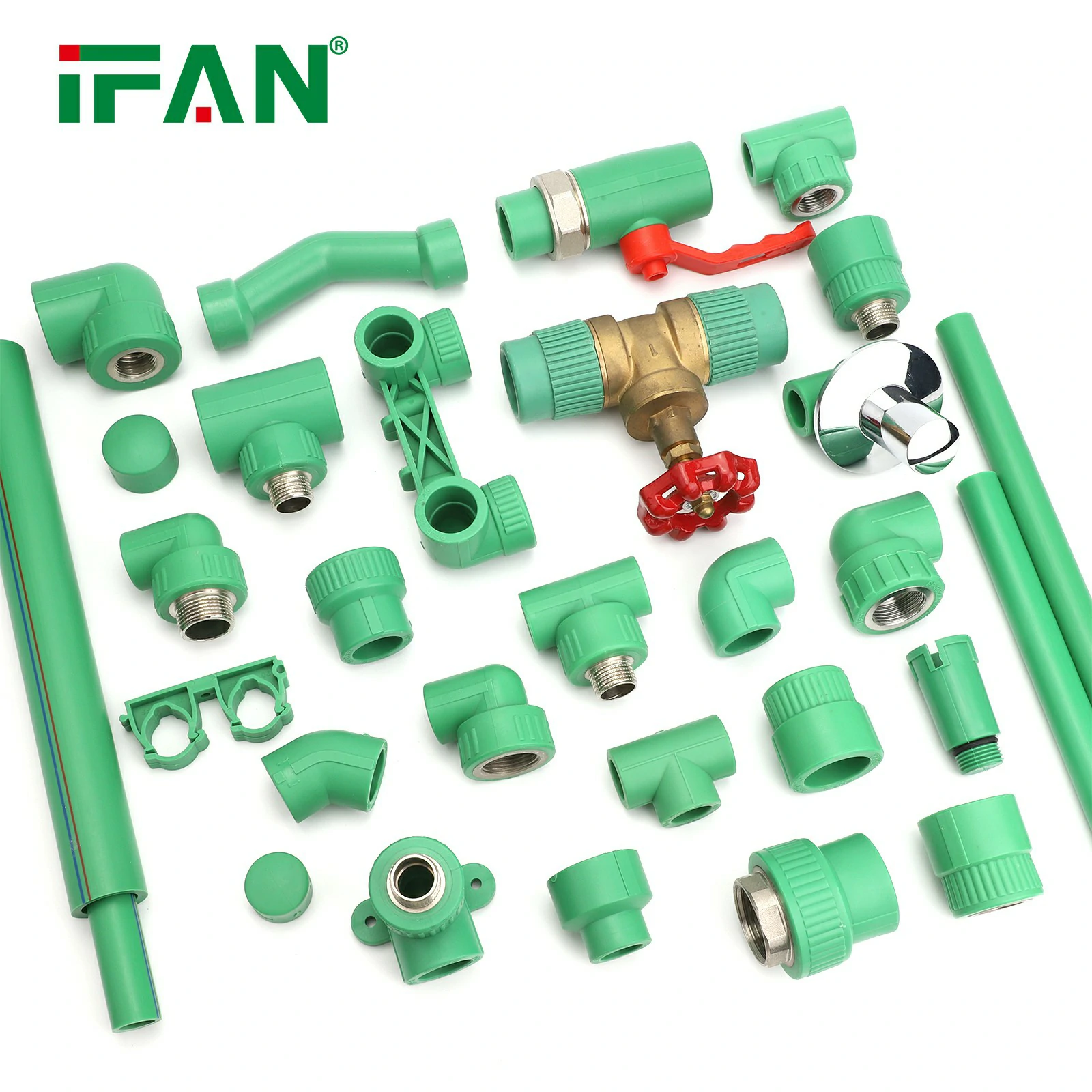
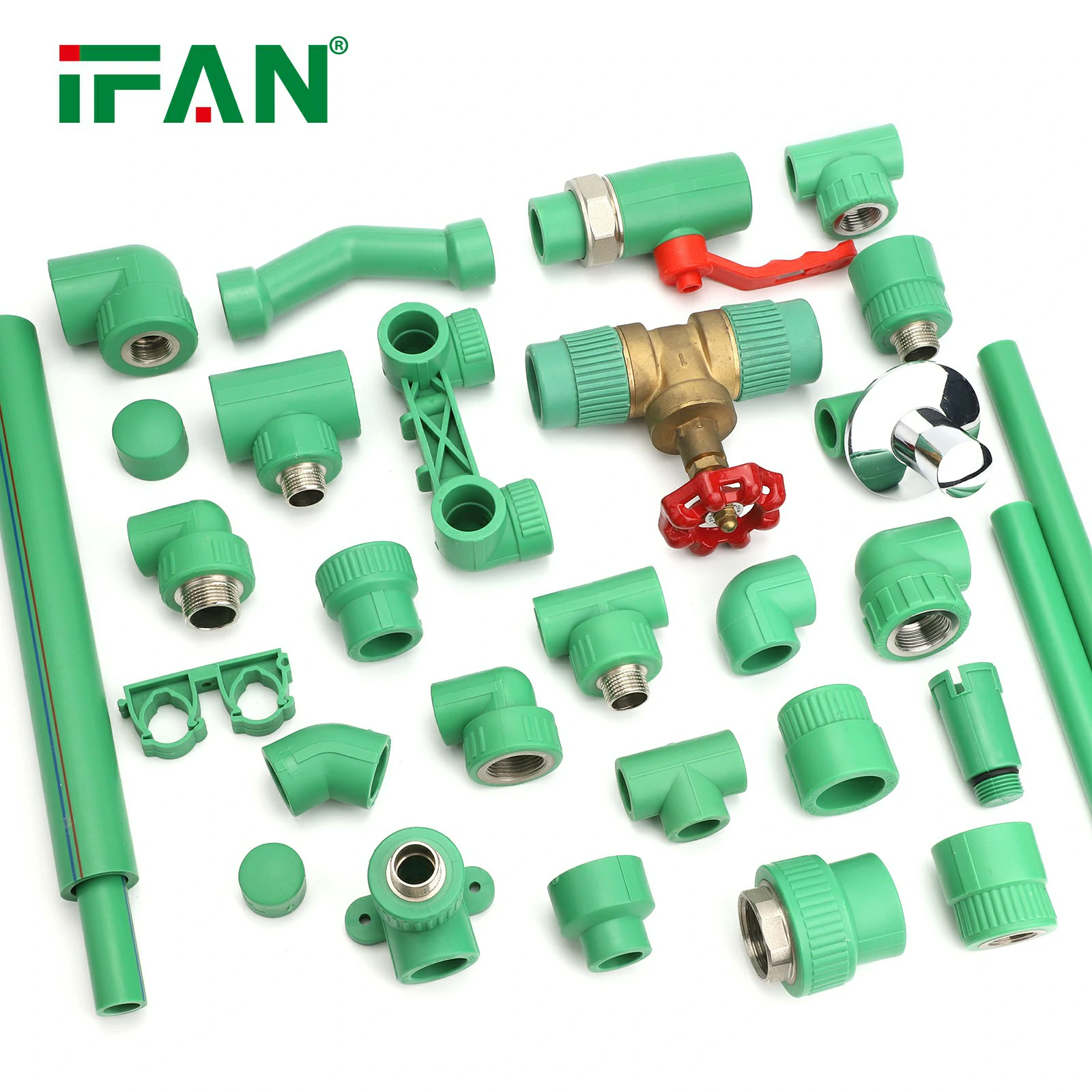
ISO 15874 PPR fittings are components used to connect, extend, and adapt PPR pipes in a plumbing network. Their function is critical in directing water flow and creating a secure, leak-proof connection between pipe sections. These fittings include elbows, tees, reducers, end caps, couplers, and adaptors. Choosing fittings compatible with pipe diameter and intended usage is essential. A mismatch can lead to leaks, water loss, and pressure drops. Understanding their purpose within a water supply network helps in selecting fittings that enhance system efficiency and longevity.
Types of PPR Fittings
There are various ISO 15874 PPR fittings, each designed for a specific purpose in the plumbing layout. Common types include:
Elbows (typically 90° or 45°) for changing the direction of pipes.
Tees for branching off into different lines.
Reducers for connecting pipes of different diameters.
Couplers for extending pipe lengths.
End caps to seal the ends of pipelines.
Flange fittings and metal insert fittings for connections to non-PPR components.
Each fitting type is available in different diameters and pressure ratings, making it crucial to choose based on application requirements, whether residential, commercial, or industrial.
Material Quality and Standards Compliance
The quality of PPR fittings directly affects the performance and safety of the water supply network. High-quality fittings are made from 100% virgin PPR material, which offers superior resistance to pressure, temperature, and chemical degradation. Ensure that fittings comply with international standards such as DIN 8077/8078 or ISO 15874. Certified fittings undergo rigorous testing for strength, thermal expansion, and hydraulic pressure. Choosing fittings from reputable manufacturers that meet these standards helps avoid issues like early wear, breakage, and water contamination.
Matching Fittings with System Pressure and Temperature
PPR systems are categorized by pressure classes (PN10, PN16, PN20, etc.), which indicate their pressure-handling capacity. Selecting the correct pressure-rated fitting is vital. For instance, a PN10 fitting is suitable for cold water systems, while PN20 is ideal for hot water applications. Installing a low-rated fitting in a high-pressure or high-temperature line may lead to system failure. Similarly, PPR fittings must withstand temperatures up to 95°C in hot water systems without deforming or leaking. Always consider both the pressure and temperature specifications when choosing fittings.
Installation Considerations
The method of installation also influences the choice of fittings. PPR fittings are typically installed using heat fusion or welding techniques, which create a seamless and leak-proof joint. This method requires fittings that are dimensionally accurate and compatible with welding tools. If improper or poorly manufactured fittings are used, fusion may be ineffective, resulting in weak joints. Some systems may also require threaded metal insert fittings to connect with metal pipes or valves. These should be corrosion-resistant and precisely fitted to avoid leaks or cross-threading during installation.
Importance of Compatibility and Uniformity
To maintain system integrity, it is advisable to use PPR fittings from the same manufacturer or at least those confirmed to be compatible with the PPR pipe brand. Differences in molding standards, material composition, or dimensional tolerances may cause fitting failures or reduce performance. Uniformity in material ensures consistent thermal expansion and mechanical strength, avoiding stress points in the system. For complex networks, compatibility also simplifies maintenance and future expansion by ensuring that replacement parts fit seamlessly.
Consideration for Water Flow Efficiency
Properly selected PPR fittings minimize flow resistance and energy loss in water supply networks. For example, long-radius elbows offer better flow dynamics than sharp turns, especially in high-velocity applications. Choosing fittings with smooth internal surfaces also reduces turbulence and prevents sediment buildup, which can clog pipes over time. A well-designed fitting layout ensures that water travels with minimal friction and pressure loss, thus improving the efficiency of pumps and overall water distribution.
Application-Based Fitting Selection
The right fitting also depends on the specific application. In residential buildings, fittings need to be compact, affordable, and easy to install within wall cavities. In contrast, industrial or commercial systems may require fittings that handle larger volumes, higher temperatures, and aggressive chemicals. For solar water heating or central heating systems, UV-resistant and high-temperature-stable fittings are preferred. Understanding the application context helps in making informed decisions about fitting types and specifications to meet both performance and durability requirements.
Cost vs. Performance Trade-Off
While it's tempting to cut costs by choosing cheaper fittings, this can compromise the system in the long term. Inferior fittings may not withstand operational demands, leading to leaks, breakdowns, or frequent repairs. Investing in high-quality, standard-compliant fittings reduces maintenance costs and increases the reliability of the water supply network. Evaluate the total cost of ownership, including installation time, system lifespan, and repair frequency, rather than just the initial purchase price.
Future Maintenance and Expandability
Systems designed with standardized and accessible fittings are easier to inspect, maintain, and expand. Avoid using rare or proprietary fittings that may be difficult to replace or repair. Consider future needs, such as potential additions or modifications to the water supply network. Selecting modular fittings that allow for disassembly and reconfiguration without damaging the entire system enhances flexibility. This foresight ensures your water supply system remains adaptable and sustainable over time.
Environmental and Health Safety
PPR fittings are generally non-toxic and suitable for potable water systems, but only if they are made from food-grade materials. Always verify the certifications related to drinking water safety. Avoid fittings made with recycled or blended plastics, as they may leach harmful chemicals into the water supply. In green building projects, opt for fittings that support environmental sustainability by being recyclable and energy-efficient during production and use.
Conclusion
Choosing the right PPR fittings is crucial for the success of any water supply network. From pressure ratings and material quality to compatibility and long-term performance, every factor plays a vital role in ensuring system efficiency and reliability. By understanding the types of fittings available and their appropriate applications, professionals can design and maintain plumbing systems that are not only cost-effective but also durable and environmentally responsible. A well-thought-out approach to selecting PPR fittings leads to better water distribution, lower operational risks, and higher user satisfaction.