
Environmental Benefits of CPVC
CPVC (Chlorinated Polyvinyl Chloride) offers several environmental advantages, making it a sustainable choice in various applications. These benefits stem from CPVC's properties, manufacturing process, and its impact on energy efficiency and resource conservation.
1. Durability and Longevity
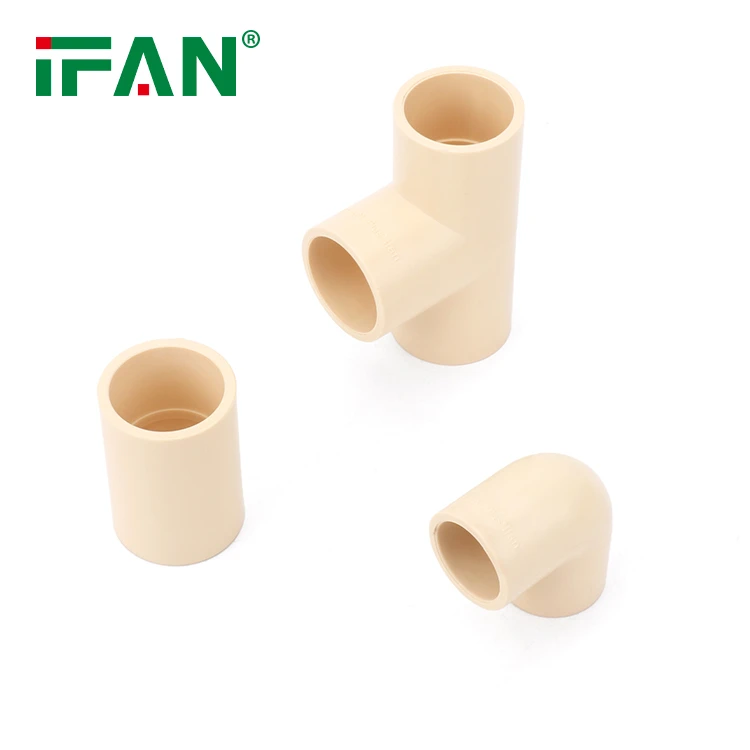
CPVC pipes and fittings are highly durable, resistant to corrosion, and have a long lifespan. This longevity reduces the frequency of replacements and repairs, minimizing material waste over time. For example, in residential plumbing systems, CPVC's durability ensures extended service life, reducing the need for replacements that contribute to landfill waste.
2. Energy Efficiency
CPVC exhibits excellent thermal insulation properties, minimizing heat loss during the transport of hot water. This efficiency helps reduce energy consumption in buildings where CPVC is used for hot water distribution. By conserving energy, CPVC contributes to lower carbon emissions and supports sustainability goals.
3. Chemical Resistance
CPVC's resistance to a wide range of chemicals makes it suitable for transporting aggressive substances without degradation. In industrial settings such as chemical processing and wastewater treatment, CPVC pipes ensure safe and efficient handling of corrosive chemicals. This chemical resistance reduces the risk of leaks or spills that could harm the environment.
4. Reduced Environmental Impact in Production
The manufacturing process of CPVC typically involves less energy and resources compared to other materials like metals. CPVC production emits lower greenhouse gases and requires fewer raw materials, contributing to a smaller environmental footprint. Manufacturers also recycle CPVC scraps and offcuts, further reducing waste.
5. Recyclability and Reusability
CPVC pipes and fittings are recyclable at the end of their service life. Recycled CPVC can be used in the production of new pipes and other products, reducing the demand for virgin materials and promoting a circular economy. This closed-loop approach minimizes waste and conserves natural resources.
6. Compliance with Green Building Standards
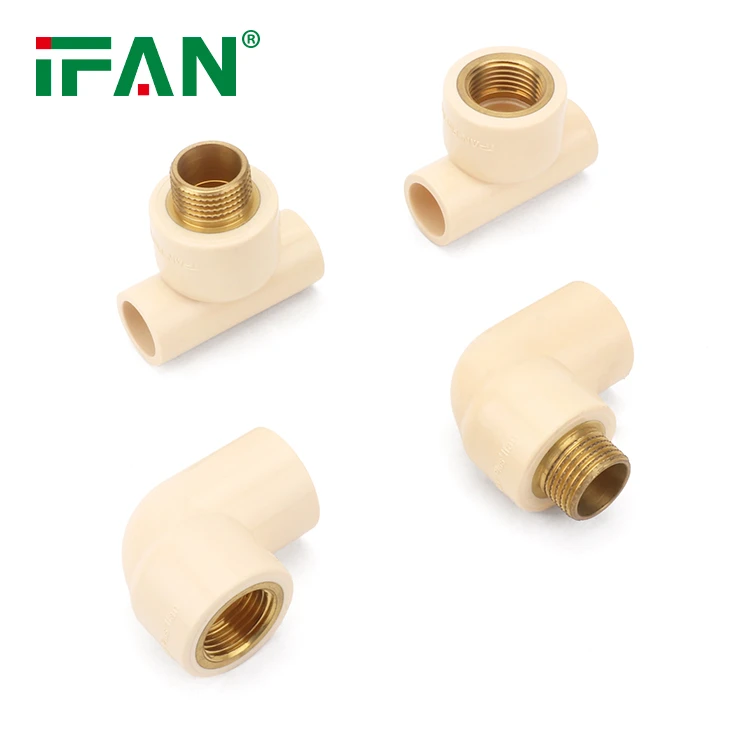
CPVC products meet stringent environmental standards and certifications, such as LEED (Leadership in Energy and Environmental Design), ensuring they contribute to sustainable building practices. Using CPVC in construction projects helps achieve green building certifications by enhancing energy efficiency and reducing environmental impacts.
7. Water Conservation
CPVC's smooth interior surface reduces friction and resistance, optimizing water flow and pressure. Efficient water distribution systems help conserve water, especially in agricultural irrigation and landscaping applications where CPVC pipes are used. This conservation supports sustainable water management practices.
8. Resistance to Biological Growth
CPVC's resistance to biological growth, such as algae or fungi, helps maintain water quality and reduces the need for chemical treatments. This feature is particularly beneficial in water supply systems where clean and safe water is essential for public health and environmental preservation.
Conclusion
In conclusion, CPVC offers significant environmental benefits through its durability, energy efficiency, chemical resistance, and recyclability. From reducing energy consumption and greenhouse gas emissions to conserving water and minimizing waste, CPVC contributes to sustainable development across various sectors. As environmental awareness grows and regulatory requirements evolve, CPVC continues to play a vital role in building resilient and eco-friendly infrastructure worldwide. Choosing CPVC for plumbing and industrial applications aligns with global efforts towards sustainability, making it a preferred choice for environmentally conscious projects and initiatives.