
In modern water infrastructure, the demand for durable, efficient, and corrosion-resistant materials is driving the adoption of high-performance components. One such vital component in underground water distribution systems is the HDPE ball valve. Designed to seamlessly integrate with HDPE piping, these valves are crucial for controlling water flow, ensuring reliability, and reducing maintenance costs in buried installations.IFAN factory 30+ years manufacture experience support color /size customization support free sample.Welcome to consult for catalog and free samples.This is our Instagram Website: www.instagram.com.
What is an HDPE Ball Valve?
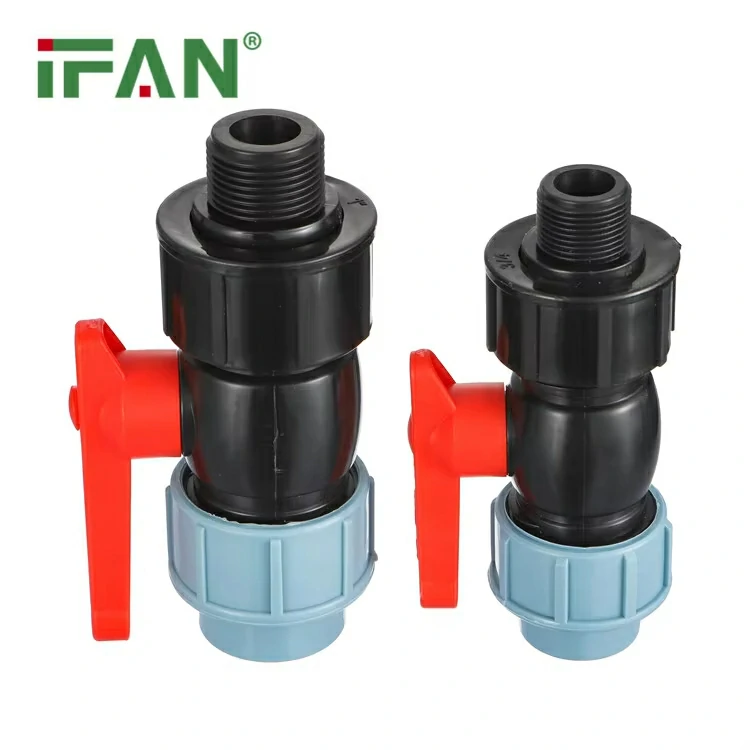
An HDPE (High-Density Polyethylene) ball valve is a flow control device made primarily from HDPE material. It operates with a spherical closure unit (the "ball") that rotates to allow, block, or throttle flow. Unlike traditional metal valves, HDPE ball valves are lightweight, resistant to chemicals, and immune to rust and corrosion, making them especially suitable for underground and corrosive environments.
Advantages of HDPE Ball Valves in Underground Applications
1. Corrosion Resistance
Underground water lines are frequently exposed to soil chemicals, moisture, and sometimes stray electrical currents, all of which can cause metal components to corrode over time. HDPE ball valves are inherently resistant to these effects. They do not rust, pit, or degrade when in contact with harsh substances, making them a long-lasting solution in subsurface settings.
2. Seamless Integration with HDPE Piping
Since both the valve and piping can be made from HDPE, installation can be achieved through butt fusion or electrofusion welding. This creates a fully homogeneous, leak-free system without mechanical joints, which are potential points of failure. This fusion capability greatly enhances the integrity and reliability of underground pipelines.
3. Lightweight and Easy Handling
Compared to metal valves, HDPE ball valves are significantly lighter. This reduces installation time, labor requirements, and the need for heavy equipment, especially in trenching and confined underground spaces. The light weight also makes transport and storage more economical.
4. High Durability and Impact Resistance
HDPE offers excellent impact resistance, even at low temperatures. This is particularly important for underground installations, where accidental pressure from heavy loads or shifting soil can damage less resilient materials. The flexibility and toughness of HDPE reduce the risk of cracks and breakage.
5. Chemical and Biological Resistance
In water distribution systems-especially those serving agricultural or industrial areas-pipes and valves may come into contact with a wide range of chemicals. HDPE is non-reactive to most acids, bases, and organic compounds. It also resists biological growth, including algae and bacteria, ensuring clean water distribution and reducing maintenance cycles.
Applications in Water Distribution Networks
HDPE ball valves are widely used in:
Municipal water supply networks
Rural and agricultural irrigation systems
Industrial water transport
Potable and non-potable water lines
Firefighting water systems
Their adaptability makes them ideal for both mainline installations and lateral connections, where shut-off and flow regulation is critical.
Installation Considerations
When installing HDPE ball valves underground, several best practices should be followed:
Proper Fusion Techniques: Ensure certified technicians perform butt fusion or electrofusion according to standards such as ASTM F2620 or ISO 21307 to guarantee strong, leak-proof joints.
Valve Accessibility: While the valve body may be buried, it is essential to ensure that the operating mechanism (handle or actuator) is accessible via valve boxes or risers.
Backfill Quality: The surrounding backfill material should be free of sharp rocks or debris that could damage the valve or piping. Use sand or fine gravel as bedding material.
Maintenance and Lifecycle Benefits
One of the most significant benefits of HDPE ball valves is their minimal maintenance requirement. Since they resist corrosion and wear, these valves can remain operational for long-term durability according to standards or more, depending on the operating pressure and environmental conditions. This extended lifecycle greatly reduces the total cost of ownership compared to traditional valve materials like cast iron or brass.
Additionally, HDPE ball valves typically require no lubrication, and their smooth internal surfaces minimize friction loss, helping to maintain consistent water pressure throughout the network.
Environmental and Economic Impact
Using HDPE materials-including valves-in underground water systems contributes to sustainable infrastructure development. HDPE is a recyclable material, and its long service life means fewer replacements and lower environmental impact over time. From an economic perspective, the reduced need for repairs, downtime, and valve replacement translates into significant cost savings for municipalities and utility operators.
Conclusion
The HDPE ball valve is a modern solution engineered for the demands of underground water distribution. Its superior resistance to corrosion, chemical exposure, and mechanical damage makes it an essential component in today's infrastructure projects. Whether for urban municipalities, agricultural systems, or industrial facilities, incorporating HDPE ball valves enhances reliability, lowers maintenance costs, and promotes long-term performance.
As water scarcity and infrastructure aging become pressing global concerns, choosing the right materials-like HDPE valves-is key to building resilient and efficient water distribution networks for the future.