
In the realm of piping and fluid control systems, selecting the right valve material is crucial for ensuring durability, reliability, and cost-effectiveness. Among the various valve types and materials available, High-Density Polyethylene (HDPE) ball valves have gained significant traction for applications requiring corrosion resistance, lightweight design, and ease of installation. However, when used outdoors, exposure to ultraviolet (UV) radiation can degrade polymer-based components over time, compromising their performance. This is where HDPE ball valves with enhanced UV stabilization become a game-changer, offering prolonged service life and consistent operation even under harsh sunlight exposure.
What is an HDPE Ball Valve?
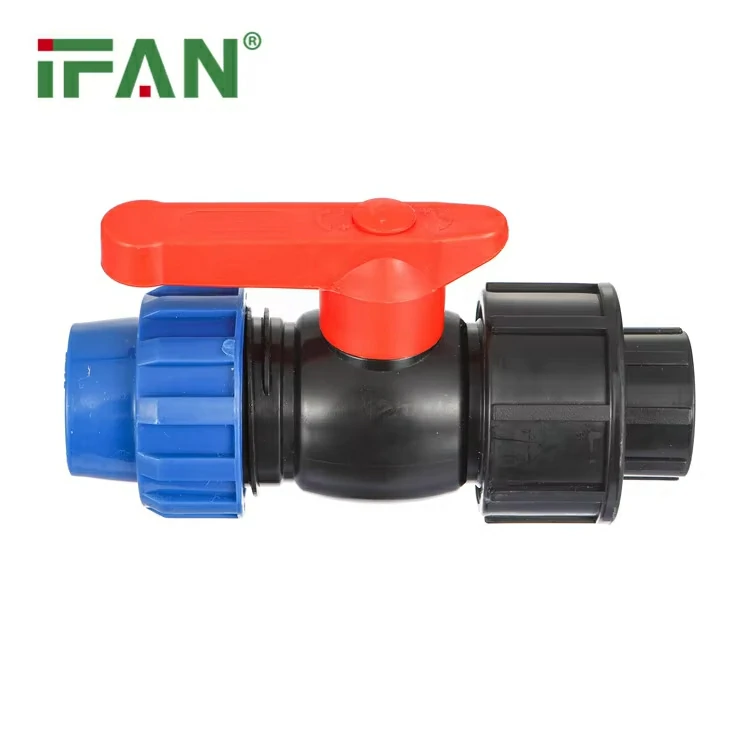
A ball valve is a quarter-turn valve that uses a spherical ball with a hole through the center to control the flow of liquids or gases. When the valve handle is turned, the ball rotates to either block or allow flow through the pipeline. Ball valves are popular due to their simple design, reliable sealing, and ease of use.
HDPE, or High-Density Polyethylene, is a thermoplastic polymer known for its high strength-to-density ratio. HDPE ball valves combine the mechanical benefits of the ball valve design with the chemical resistance and durability of HDPE material. These valves are widely used in water supply systems, irrigation, chemical processing, and other industrial and municipal applications.
Challenges of Outdoor Use for HDPE Valves
Despite HDPE's many advantages, its natural vulnerability to ultraviolet (UV) radiation poses challenges when used outdoors. Prolonged exposure to sunlight can cause photo-oxidation, which breaks down the polymer chains, leading to surface cracking, brittleness, color fading, and eventual loss of mechanical integrity. This degradation can result in leaks, valve failure, and increased maintenance costs.
For infrastructure like irrigation systems, outdoor water distribution networks, and chemical storage facilities exposed to direct sunlight, this UV degradation risk is a critical factor in valve selection. If not properly addressed, it shortens the valve's service life and undermines the reliability of the entire piping system.
Enhanced UV Stabilization: What It Means
Enhanced UV stabilization refers to the incorporation of additives and design improvements in HDPE ball valves that significantly improve their resistance to UV-induced degradation. These stabilizers work by absorbing or reflecting harmful UV rays and neutralizing free radicals generated during exposure, thus protecting the polymer matrix.
Common methods to achieve enhanced UV stabilization include:
UV Absorbers: Chemical compounds added to the HDPE resin that absorb UV radiation and dissipate it harmlessly as heat.
Hindered Amine Light Stabilizers (HALS): These scavengers neutralize free radicals formed in the polymer, preventing chain degradation.
Carbon Black Addition: Carbon black is a highly effective UV stabilizer due to its ability to absorb UV light. It also provides the characteristic black color often seen in outdoor HDPE products.
Protective Coatings: Sometimes, an additional UV-resistant coating or paint is applied to the valve surface for extra protection.
By integrating these UV stabilization techniques, manufacturers can ensure that HDPE ball valves maintain their structural integrity and functionality over extended outdoor exposure.
Benefits of HDPE Ball Valves with Enhanced UV Stabilization
Extended Service Life
Enhanced UV stabilization dramatically increases the lifespan of HDPE ball valves used in outdoor settings. Where untreated HDPE valves might degrade within a few years, stabilized valves can last decades, reducing replacement frequency and associated downtime.
Cost Efficiency
Longer service life translates into lower total cost of ownership. Less frequent maintenance and replacements mean fewer labor costs and reduced risk of system failure.
Reliability and Safety
Maintaining the valve's mechanical properties over time ensures reliable sealing and flow control, which is essential for preventing leaks, contamination, or pressure loss, especially in critical applications like potable water or hazardous chemical transport.
Environmental Resistance
Aside from UV radiation, stabilized HDPE valves resist weathering effects such as temperature fluctuations, moisture, and chemical exposure, making them highly versatile for various climates and industrial environments.
Lightweight and Easy Installation
Despite the added UV stabilization, HDPE ball valves remain lightweight compared to metal valves, facilitating easier handling and installation, particularly in remote or hard-to-access outdoor sites.
Applications Ideal for UV-Stabilized HDPE Ball Valves
Agricultural Irrigation Systems: Constant exposure to sunlight and outdoor elements necessitates valves that will endure for many irrigation cycles without failure.
Municipal Water and Wastewater Systems: Outdoor pipelines in urban or rural settings benefit from UV-stabilized valves to ensure uninterrupted service.
Chemical Processing Plants: Some chemicals require corrosion-resistant valves that also withstand UV exposure in outdoor storage or processing tanks.
Outdoor Landscaping and Fountain Systems: These require valves that maintain aesthetics and function under continuous sunlight.
Mining and Industrial Facilities: Where rugged, UV-resistant valves reduce maintenance in exposed installations.
Installation and Maintenance Considerations
While enhanced UV stabilization improves valve longevity, proper installation and maintenance practices remain essential. Valves should be installed in accordance with manufacturer guidelines, ensuring proper support and avoiding mechanical stresses. Regular inspection for wear, leaks, or surface damage can help identify issues before they escalate.
When selecting HDPE ball valves, it is crucial to verify the UV stabilization specifications and certifications from the manufacturer. This ensures that the product meets the intended outdoor exposure requirements and offers reliable performance.
Conclusion
HDPE ball valves with enhanced UV stabilization represent an advanced solution for outdoor piping systems requiring durable, lightweight, and corrosion-resistant flow control devices. By mitigating the harmful effects of UV radiation, these valves offer extended service life, increased reliability, and cost savings, making them an ideal choice for agricultural, municipal, industrial, and commercial applications exposed to sunlight. Investing in UV-stabilized HDPE ball valves helps protect infrastructure integrity while delivering consistent and efficient fluid control in demanding outdoor environments.