
Introduction
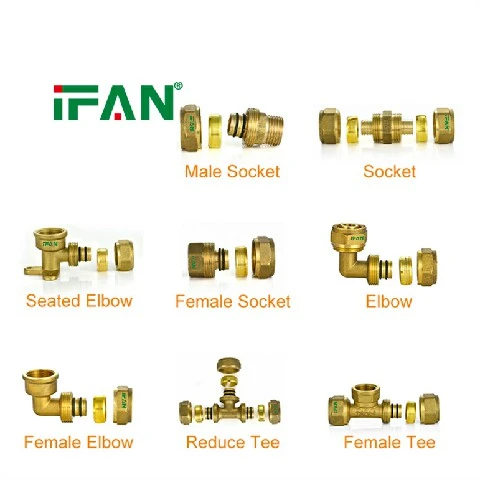
Installation torque plays a critical role in the performance and reliability of PEX compression fittings. Unlike fusion or press connections, compression fittings rely entirely on controlled mechanical force to create a secure seal. Torque determines how effectively the compression ring, fitting body, and pipe interact to prevent leaks and maintain long-term stability. In plumbing systems where consistent pressure, temperature changes, and mechanical stress are common, understanding the influence of installation torque is essential. Proper torque application ensures that PEX compression fittings perform as designed, while incorrect torque can compromise system integrity and service life.IFAN factory 30+ years manufacture experience support color /size customization support free sample.Welcome to consult for catalog and free samples.This is our Facebook Website:www.facebook.com.
Understanding the Function of Installation Torque
Installation torque refers to the rotational force applied when tightening a PEX compression fitting nut. This force translates into axial compression on the compression ring and pipe. As torque increases, the ring deforms slightly, gripping the pipe and pressing it against the fitting body to form a seal. The correct torque range is engineered to balance grip strength and material integrity. If torque is too low, the compression force may be insufficient to seal the joint. If too high, excessive stress may damage components or distort the pipe, affecting performance.

Impact of Under-Tightening on Fitting Performance
Under-tightening is one of the most common installation issues with PEX compression fittings. When insufficient torque is applied, the compression ring does not fully engage with the pipe surface. This results in uneven contact pressure and an incomplete seal. Under operating conditions, such joints are vulnerable to leaks, especially during pressure fluctuations or thermal expansion. Minor leaks may not appear immediately but can develop over time, leading to water damage and maintenance issues. Proper torque ensures uniform sealing pressure and reduces the risk of gradual joint failure.
Risks Associated with Over-Tightening
Over-tightening can be just as problematic as under-tightening. Applying excessive torque increases stress on the fitting components, particularly the compression ring and the pipe itself. In PEX systems, over-compression may cause pipe deformation, micro-cracks, or damage to the internal support insert. These issues weaken the joint and may lead to sudden failure under pressure. Over-tightening can also make future disassembly difficult or impossible, reducing serviceability. Maintaining torque within recommended limits is essential to protect both short-term and long-term performance.
Torque and Seal Integrity
Seal integrity in PEX compression fittings depends on achieving the correct balance of force. Proper installation torque ensures that the compression ring evenly distributes pressure around the pipe circumference. This uniform pressure creates a reliable seal capable of withstanding internal system pressure. Consistent torque application also improves resistance to vibration and mechanical movement, which are common in residential and commercial plumbing systems. By controlling torque, installers help ensure that the sealing surfaces remain stable throughout the system's operational life.
Influence of Pipe Material and Size
The required installation torque for PEX compression fittings varies depending on pipe size and material properties. Larger diameter pipes typically require higher torque to achieve sufficient compression force. Additionally, different PEX grades may respond differently to compression. Softer materials may deform more easily, while stiffer pipes require greater force to seal effectively. Manufacturers specify torque ranges based on these factors to ensure optimal performance. Following size-specific and material-specific guidelines is critical for achieving consistent results across diverse plumbing applications.
Role of Installation Tools and Techniques
Accurate torque application depends on proper installation tools and techniques. Using calibrated torque wrenches or manufacturer-recommended hand tools helps installers achieve consistent results. Improvised tools or guesswork increase the risk of improper tightening. Proper alignment of the pipe within the fitting before tightening also influences how torque is distributed. Misalignment can cause uneven compression, even if torque values appear correct. Careful preparation and controlled tightening techniques improve joint reliability and reduce installation errors.
Long-Term Performance and System Durability
Correct installation torque contributes significantly to the long-term durability of PEX compression fittings. Properly torqued joints maintain their sealing force over time, even as pipes expand and contract with temperature changes. This stability reduces the likelihood of loosening or leakage during service. In contrast, poorly torqued fittings may require frequent inspection or re-tightening. By ensuring correct torque during installation, system designers and installers can extend service life and reduce maintenance costs.
Quality Control and Installation Standards
Many plumbing standards and manufacturer guidelines emphasize torque control as part of quality assurance. Training programs often include torque specifications and best practices to ensure consistent installation quality. In professional plumbing projects, adherence to these standards improves overall system reliability and safety. Torque verification may also be part of inspection procedures, especially in critical installations. Consistent torque application supports compliance with regulations and reinforces confidence in system performance.
Conclusion
Installation torque is a fundamental factor influencing the performance of PEX compression fittings. Proper torque ensures secure sealing, protects fitting components, and supports long-term system reliability. Both under-tightening and over-tightening present risks that can compromise joint integrity and lead to leaks or failures. By understanding how torque affects compression behavior and following manufacturer recommendations, installers can achieve dependable and durable connections. In modern plumbing systems, careful torque control is essential for maximizing the benefits of PEX compression fitting technology.