
Introduction
Safety is one of the most critical factors in the design and operation of modern plumbing systems. From residential buildings to industrial facilities, ensuring the safe transport of clean water and the prevention of leaks, corrosion, and contamination are top priorities. Polypropylene Random Copolymer (PPR) fittings have become a trusted solution for achieving these safety objectives. Their durability, chemical resistance, and secure jointing technology make them ideal for delivering clean, safe, and reliable water in a wide range of applications. This article explores how PPR fittings enhance the overall safety of plumbing systems through their material properties, design, and performance..IFAN factory 30+ years manufacture experience support color /size customization support free sample.Welcome to consult for catalog and free samples.This is our Facebook Website:www.facebook.com.
Material Composition and Non-Toxicity
One of the main safety advantages of PPR fittings lies in their material composition. Made from high-quality polypropylene random copolymer, PPR fittings are completely free from harmful substances such as lead, cadmium, and other heavy metals often found in traditional piping materials. This ensures that the water transported through ISO 15874 PPR systems remains free of contamination, even after years of use. The material is approved for potable water applications by numerous health and safety organizations worldwide, making it a preferred choice for systems that require high hygiene standards, such as hospitals, schools, and food processing plants.
Resistance to Corrosion and Scaling
Corrosion and scaling are common causes of water contamination and pipe failure in metal-based plumbing systems. PPR fittings eliminate these risks because they do not react chemically with water or most dissolved minerals. Unlike steel or copper fittings, PPR does not rust or corrode, even when exposed to varying pH levels or hard water. This resistance prevents the buildup of deposits that could reduce water flow and compromise system safety. As a result, users benefit from consistent water quality and a much lower risk of internal damage or leakage over time.
Leak-Free Jointing for System Integrity
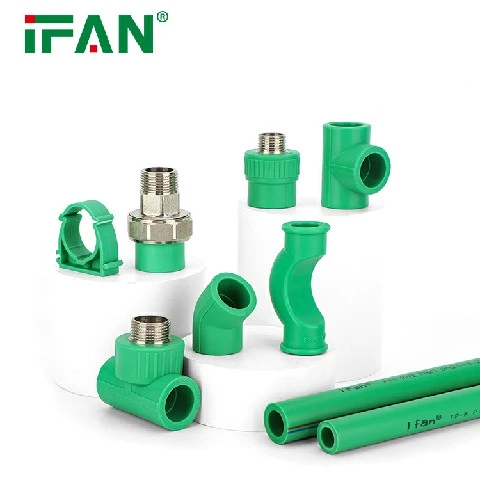
Leaks are a major safety hazard in plumbing systems, potentially leading to water loss, property damage, and bacterial growth. PPR fittings address this issue through heat fusion technology, a method that creates a permanent, homogeneous bond between pipes and fittings. Unlike mechanical joints that may loosen or degrade, fusion joints essentially become part of the pipe itself, forming a seamless connection. This leak-free design ensures long-term system integrity and minimizes maintenance requirements, making it ideal for installations where safety and reliability are paramount.
High Temperature and Pressure Resistance
Safety in plumbing systems also depends on the ability to withstand temperature and pressure fluctuations without failure. PPR fittings excel in this area, capable of operating under high pressure and temperatures up to 95°C. Their superior thermal stability ensures that they can handle both hot and cold water systems without deformation or cracking. In pressurized systems such as heating networks or industrial water lines, this resistance prevents accidental bursts or leaks, reducing the risk of water damage and system downtime.
Prevention of Bacterial Growth
The smooth inner surface of PPR fittings plays an important role in maintaining sanitary conditions within plumbing systems. The non-porous texture prevents biofilm formation, which can harbor bacteria and other microorganisms. This feature is especially valuable in potable water systems, where the growth of harmful bacteria like Legionella can pose serious health risks. By inhibiting microbial buildup, PPR fittings help ensure that water remains clean and safe throughout its distribution path. This makes them particularly suitable for medical facilities, laboratories, and residential systems where hygiene is critical.
Chemical Resistance for Industrial Safety
In industrial environments, plumbing systems often carry not just water but also various chemicals or treated fluids. PPR fittings are chemically resistant to a wide range of acids, alkalis, and cleaning agents, allowing them to maintain structural integrity even under challenging conditions. This resistance prevents chemical reactions that could weaken fittings or release harmful substances into the water supply. Therefore, PPR systems enhance both worker and environmental safety in industries such as manufacturing, agriculture, and chemical processing.
Thermal and Acoustic Insulation Benefits
Beyond mechanical strength, PPR fittings offer inherent thermal and acoustic insulation properties. These features contribute to safer and more comfortable environments. The insulation helps maintain stable water temperatures, reducing the risk of burns or heat loss in hot water lines. Meanwhile, the sound-dampening properties of PPR fittings minimize noise caused by flowing water or water hammer, which can stress connections over time. Together, these attributes improve both safety and comfort in residential and commercial plumbing systems.
Fire Resistance and Low Smoke Emission
Fire safety is another consideration in plumbing material selection. PPR fittings have a high ignition temperature and are self-extinguishing, meaning they do not easily propagate flames once the heat source is removed. Additionally, they emit minimal smoke and toxic gases compared to other plastics when exposed to fire. This contributes to safer building environments by reducing the potential hazards during fire incidents. These characteristics make PPR fittings a practical choice for modern buildings that must comply with strict fire safety regulations.

Longevity and Reduced Maintenance Risks
A long service life directly enhances the safety and reliability of plumbing systems. PPR fittings are designed to last over long-term durability according to standards under normal operating conditions, significantly reducing the need for frequent replacements or repairs. This long-term durability prevents issues such as joint fatigue, material degradation, and water leakage that can compromise system safety. The reduced need for maintenance also minimizes the risk of accidental system damage during interventions, making PPR fittings a dependable choice for long-term installations.
Eco-Friendly Safety Contributions
In addition to their performance benefits, PPR fittings contribute to safety from an environmental perspective. The production of PPR materials consumes less energy compared to metal alternatives and generates minimal emissions. Furthermore, the fittings are fully recyclable at the end of their service life, supporting sustainable construction practices. By choosing PPR, builders and engineers not only ensure safe water transport but also promote ecological safety by reducing waste and environmental pollution.
Conclusion
PPR fittings have redefined safety standards in modern plumbing systems. Their combination of chemical resistance, non-toxicity, leak-free jointing, and thermal stability ensures that water is transported cleanly and securely under a wide range of conditions. From preventing contamination and corrosion to minimizing fire and bacterial risks, PPR fittings provide a comprehensive safety solution for both residential and industrial applications. As building codes evolve and the demand for safer, more sustainable systems grows, PPR fittings will continue to play a central role in protecting water quality and ensuring the long-term reliability of plumbing networks.