
Introduction
Efficient water flow is one of the most critical aspects of any plumbing system. Whether in residential buildings, commercial facilities, or industrial plants, maintaining steady and reliable water pressure is essential for performance and convenience. Polypropylene Random Copolymer (PPR) pipes have emerged as a modern solution that significantly enhances water flow efficiency. Their design, smooth internal structure, and resistance to buildup make them ideal for both hot and cold water systems. Understanding how EN 15874 PPR pipes improve water flow efficiency provides valuable insight into their growing popularity across plumbing applications.IFAN factory 30+ years manufacture experience support color /size customization support free sample.Welcome to consult for catalog and free samples.This is our Facebook Website:www.facebook.com.
Smooth Interior Surface for Steady Flow
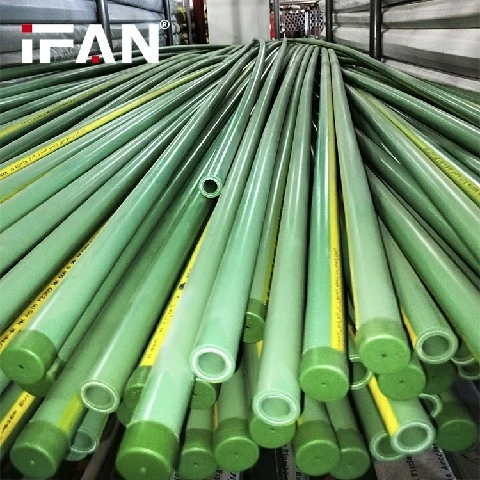
One of the key advantages of PPR pipes lies in their smooth interior surface. Unlike traditional metal pipes, which can develop rust, scaling, or mineral buildup over time, PPR pipes maintain a clean and uniform inner wall. This smoothness minimizes frictional resistance as water moves through the system, ensuring uninterrupted and consistent flow. The result is improved pressure across all outlets, even in larger or multi-story installations. This feature also reduces energy consumption for pumping systems, making PPR an efficient choice for modern water networks.
Prevention of Scaling and Deposits
Over time, water flowing through pipes can leave behind mineral deposits such as calcium or magnesium. These deposits gradually accumulate and narrow the internal diameter of metal pipes, reducing flow efficiency and increasing maintenance costs. PPR pipes, however, are chemically inert and resistant to scaling. The material's non-reactive surface prevents minerals from adhering, keeping the pipeline clear and smooth for decades. This long-term resistance to scaling helps maintain high flow rates and consistent water quality.
Corrosion Resistance for Long-Term Efficiency
Corrosion is one of the main causes of water flow problems in traditional piping systems. When metal pipes corrode, rust particles mix with the water, leading to blockages and contamination. PPR pipes are entirely free from corrosion because they do not react with water or common plumbing chemicals. This property ensures that the inner walls remain intact and clean, allowing for consistent flow throughout the pipe's lifespan. The absence of corrosion also contributes to stable water pressure and reduced maintenance requirements.
Lightweight Design and Seamless Connections
Another important factor that contributes to the efficiency of PPR pipes is their installation process. The lightweight material makes handling and positioning easier, while the heat fusion joining method creates seamless and leak-free connections. These welded joints eliminate gaps or weak points where water could escape, ensuring that the system remains fully pressurized. With minimal risk of leaks or pressure loss, PPR systems maintain steady water flow even under varying demand levels.
Thermal Stability for Hot and Cold Water Systems
Water flow efficiency depends not only on smoothness and cleanliness but also on how pipes react to temperature changes. PPR pipes are engineered to withstand both high and low temperatures without deforming or expanding excessively. This stability ensures that internal diameter and pressure remain consistent, even when carrying hot water. In systems where temperature fluctuations are frequent, PPR pipes prevent energy loss and pressure drops, maintaining optimal flow conditions throughout operation.
Energy Conservation Through Reduced Friction
Frictional losses are a common issue in water transportation systems. When water encounters resistance inside the pipe, energy is wasted in overcoming that resistance. PPR pipes, with their smooth surfaces and uniform diameters, minimize frictional loss and allow water to flow more freely. This efficient flow reduces the need for high-powered pumps or pressure boosters, leading to significant energy savings over time. In large-scale buildings or irrigation networks, this can translate to substantial cost and energy efficiency improvements.
Consistent Performance in Various Applications
The ability of PPR pipes to maintain consistent water flow makes them suitable for a wide range of applications. In residential plumbing, they deliver steady water pressure to kitchens, bathrooms, and heating systems. In commercial settings such as hotels or hospitals, they ensure reliable operation even under continuous high demand. Industrial facilities also benefit from PPR's flow stability when transporting chemicals or process water. The material's adaptability ensures smooth performance in diverse environments without compromising efficiency.
Impact on Water Quality and Purity
Flow efficiency is closely linked to water quality. When pipes corrode or develop scale, water contamination becomes a risk. PPR pipes prevent such issues by providing a non-toxic, hygienic medium for water transport. The material does not leach harmful substances or react with cleaning agents, maintaining pure water from the source to the outlet. This clean flow helps improve efficiency by preventing clogging and preserving system performance. For drinking water applications, this purity is a significant advantage.
Reduced Maintenance and Downtime
Systems that maintain efficient water flow require less maintenance over time. Because PPR pipes do not rust, clog, or degrade easily, they minimize the need for cleaning, flushing, or part replacement. This reliability translates to reduced downtime and fewer service interruptions, especially in large facilities where continuous operation is essential. The long service life-often exceeding long-term durability according to standards-ensures consistent performance without frequent repairs. This low-maintenance advantage is a key reason why PPR has become a preferred material in modern plumbing.
Enhanced System Design Flexibility
PPR pipes support efficient water flow not only through their material properties but also through flexible design possibilities. They can be used in straight runs, bends, or complex layouts without losing performance. The fusion joining technique allows for customized angles and precise configurations that optimize water distribution. Engineers can design shorter flow paths and minimize sharp turns, further reducing resistance. This adaptability enhances overall hydraulic efficiency and ensures even water delivery across all outlets.
Sustainability and Energy Efficiency
Modern plumbing systems emphasize sustainability, and PPR pipes contribute to that goal through improved flow and reduced energy waste. Their insulation properties minimize heat loss in hot water systems, while the reduced friction lowers energy requirements for pumping. Additionally, PPR is recyclable, non-toxic, and environmentally friendly during production and use. These qualities align with green building standards and help lower the environmental impact of plumbing infrastructure.
Comparing PPR with Traditional Pipe Materials
When compared with materials such as copper, PVC, or galvanized steel, PPR consistently demonstrates superior flow efficiency. Copper pipes, while durable, are prone to corrosion that restricts flow over time. PVC pipes are suitable for cold water but deform under high temperatures, leading to performance issues. Galvanized steel, though strong, suffers from rust and scaling, which reduce flow rates. PPR's combination of thermal stability, corrosion resistance, and smooth surface ensures better long-term hydraulic performance in all conditions.

Role in Modern Infrastructure Development
In modern construction projects, especially those emphasizing sustainability and efficiency, PPR pipes have become integral components. They are used in residential towers, hospitals, educational facilities, and water treatment plants. Their contribution to maintaining efficient water flow reduces operational costs and improves overall system reliability. As cities expand and water infrastructure modernizes, PPR technology continues to play a critical role in achieving consistent, efficient fluid transportation.
Future of Water Flow Efficiency with PPR Systems
Advancements in polymer science continue to improve the design and performance of PPR pipes. Future developments are likely to enhance their strength, temperature resistance, and fusion reliability even further. With the increasing demand for energy-efficient systems, PPR will remain central to innovations in water management. Its role in supporting sustainable development and reducing water system inefficiencies positions it as a key material for future plumbing technology.
Conclusion
The efficiency of a plumbing system depends on its ability to maintain steady and reliable water flow. PPR pipes have proven to be a transformative solution by offering smooth surfaces, corrosion resistance, and thermal stability that enhance hydraulic performance. Their contribution goes beyond functionality-they reduce energy consumption, extend system life, and support sustainability goals. From homes to large infrastructure projects, PPR pipes continue to redefine how water is distributed efficiently and safely. As the demand for modern, low-maintenance systems grows, PPR technology will remain an essential choice for improving water flow efficiency in plumbing systems worldwide.