
What is ISO15875 PEX?
ISO15875 PEX stands for cross-linked polyethylene. It's a flexible plastic piping used for plumbing and heating systems. PEX is known for its durability and resistance to corrosion. There are different types, but ISO15875 PEX A and PEX B are the most commonly used in residential applications. Understanding their differences can help you choose the right one for your project.
Manufacturing Processes
The manufacturing process is a significant factor in distinguishing PEX A from PEX B.
ISO15875 PEX A is produced using the Engel method. This method cross-links the polyethylene molecules through a peroxide reaction. The result is a highly flexible pipe that can withstand freezing temperatures without bursting.
ISO15875 PEX B, on the other hand, is made using the silane method. This process involves cross-linking through moisture. While still durable, PEX B is typically less flexible than PEX A.
Flexibility Comparison
Flexibility is another critical difference between PEX A and PEX B.
PEX A is much more flexible, making it easier to install in tight spaces. This flexibility allows for tighter bends, reducing the need for additional fittings. For example, a plumber can easily navigate around obstacles during installation.
PEX B is stiffer and requires more fittings in some cases. While it can still be used effectively, its rigidity might complicate installations in confined areas.

Resistance to Freezing
When it comes to extreme temperatures, both types behave differently.
PEX A has superior expansion capabilities. If water freezes inside the pipe, it can expand without breaking. This quality makes it a safer choice for areas prone to freezing temperatures.
PEX B lacks this level of expansion and may crack if water freezes inside. Thus, it's essential to consider the climate when choosing between the two types.
Color Coding
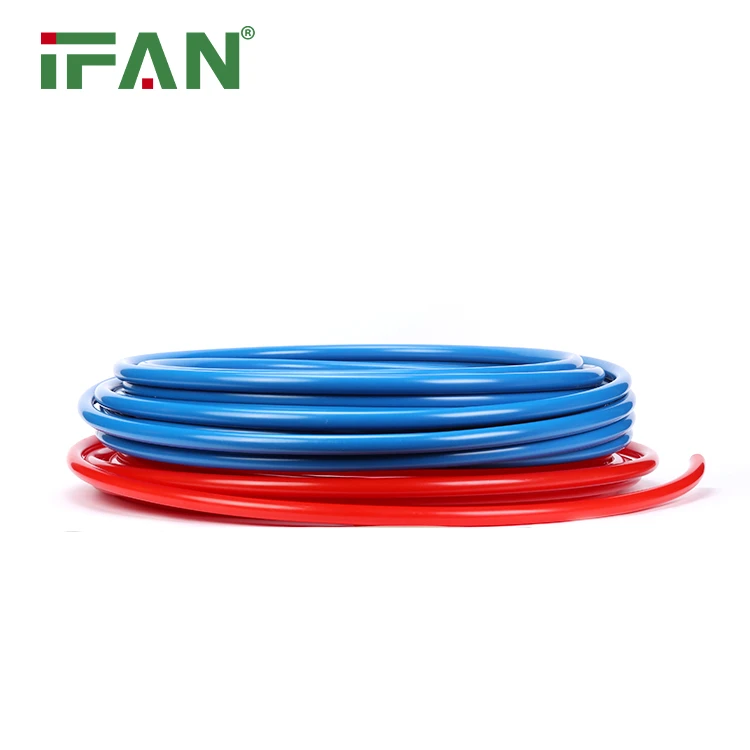
PEX pipes are available in various colors, primarily red, blue, and white.
Red PEX is typically used for hot water lines, while blue PEX is designated for cold water. White PEX can be used for either application.
The color alone does not indicate whether the pipe is PEX A or PEX B. However, knowing the color coding can help you in selecting the right pipe for your plumbing system.
Markings on the Pipe
One of the easiest ways to distinguish between PEX A and PEX B is to check the markings on the pipe.
PEX A pipes are often labeled clearly with "PEX-A."
PEX B pipes will usually have "PEX-B" marked on them. These labels are essential for identifying the type during installation or maintenance.
Cost Differences
Cost can also be a deciding factor when choosing between PEX A and PEX B.
PEX A is generally more expensive due to its advanced manufacturing process. The higher cost reflects its flexibility and durability.
PEX B is often more budget-friendly and widely available. For projects where cost is a significant concern, PEX B may be the better option.
Applications
Different applications may favor one type of PEX over the other.
PEX A is ideal for radiant heating systems, snow melting applications, and areas where flexibility is crucial. Its resistance to freezing also makes it suitable for outdoor applications.
PEX B is often used for general plumbing, especially in retrofitting projects. Its stiffness can be advantageous in stable environments where movement is minimal.
Installation Tips
When installing PEX pipes, there are a few tips to keep in mind.
Always read the manufacturer's guidelines for specific instructions related to the type of PEX you are using.
Ensure that the fittings match the PEX type to avoid leaks. Using a PEX A fitting with PEX B may lead to issues.
Consider the climate and environmental factors when choosing between PEX A and PEX B.
Common Misconceptions
There are several misconceptions about PEX pipes that should be addressed.
Some people believe that all PEX pipes are the same. In reality, the differences between PEX A and PEX B can significantly impact performance.
Another misconception is that flexibility always means better quality. While PEX A is more flexible, both types have their advantages and disadvantages.
Final Thoughts
Understanding how to distinguish between ISO15875 PEX A and PEX B pipes is essential for anyone involved in plumbing. Their differences in manufacturing processes, flexibility, and cost can influence your choice.
Selecting the right type can lead to more efficient installations and long-lasting plumbing systems. Whether you choose PEX A or PEX B, knowing their characteristics will help you make informed decisions.
FAQs
1. Can I use PEX A and PEX B together?
Yes, but ensure you use compatible fittings to avoid leaks.
2. Which type of PEX is better for outdoor use?
PEX A is generally better due to its freeze resistance.
3. How do I identify the type of PEX I have?
Look for markings on the pipe or check the manufacturer's specifications.
4. Is PEX A worth the higher cost?
If flexibility and freeze resistance are crucial for your project, yes.
5. Can I bend PEX B pipes?
Yes, but they require more fittings compared to PEX A.