
1. What Is ASTM F2389 PPR Pipe?
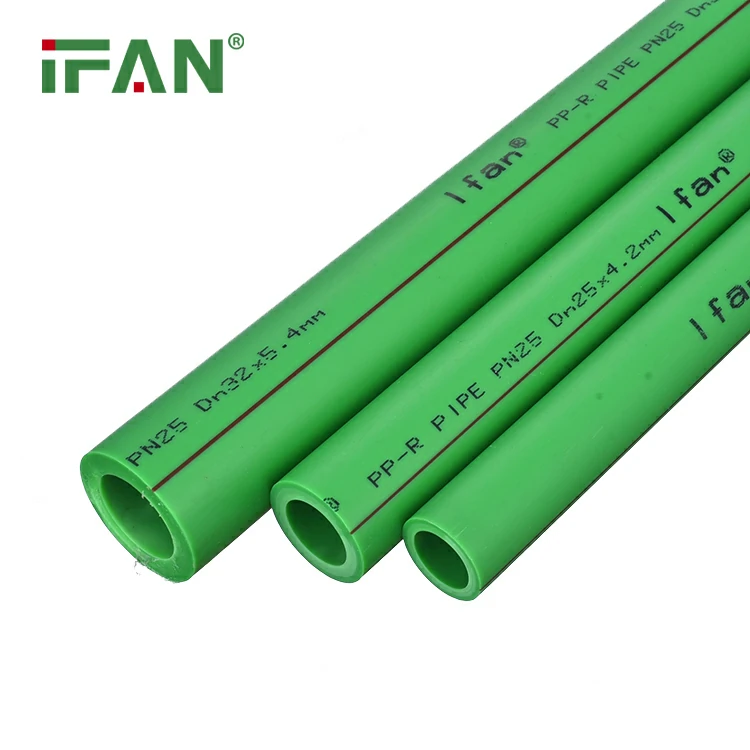
PPR pipe is made from a type of polypropylene plastic known for its random copolymer structure. This material offers excellent strength, resistance to high temperatures, and good chemical stability. PPR pipes are commonly used for both cold and hot water supply, as well as in heating systems. Unlike metal pipes, PPR does not corrode over time, making it a long-lasting solution in various plumbing applications.
PPR pipes come in different diameters and lengths, which can be easily cut and joined using specialized fittings. The material is also lightweight, making it easier to transport and install. Because of these qualities, PPR pipes are frequently chosen for new construction projects and renovations.IFAN factory 30+ years manufacture experience support color /size customization support free sample.Welcome to consult for catalog and free samples.This is our Instagram Website: www.instagram.com.
2. Health and Safety Concerns
One of the primary concerns when using any plumbing material is its safety in relation to human health. The most important question is whether PPR pipes can leach harmful chemicals into the water. Research has shown that PPR pipes, when manufactured according to established safety standards, do not release harmful substances into the water supply.
PPR pipes are non-toxic and are approved by health safety authorities such as the U.S. Food and Drug Administration (FDA) and the European Union. The material does not contain BPA (Bisphenol A) or other harmful chemicals often found in certain plastics. As a result, the water transported through PPR pipes remains clean and safe for drinking and cooking.
3. Resistance to Bacterial Growth
Another concern often raised about plastic pipes is their potential to harbor bacteria and other microorganisms. Unlike metal pipes, which can corrode and create rough surfaces, PPR pipes have a smooth interior. This smoothness prevents the buildup of biofilm, reducing the chances of bacteria growth inside the pipes.
In addition, PPR pipes are resistant to the growth of algae and fungi. This makes them an ideal choice for plumbing systems in areas with high humidity or regions prone to bacterial contamination. Regular cleaning and maintenance are still essential, but PPR pipes provide a safe and hygienic option for water distribution.
4. Durability and Longevity
PPR pipes are known for their long lifespan. Under normal usage conditions, PPR pipes can last between 50 to 100 years. The material is highly resistant to temperature fluctuations, UV radiation, and chemical corrosion. This ensures that the pipes remain functional and safe for decades, minimizing the need for replacements or repairs.
Because PPR pipes are resistant to corrosion, they are less likely to develop leaks, cracks, or structural failures compared to metal pipes. This increases the overall safety of the plumbing system, reducing the risk of water damage and contamination from leaks.
5. Fire Resistance and Temperature Tolerance
PPR pipes are resistant to high temperatures, which makes them suitable for both hot and cold water supply systems. They can typically withstand temperatures up to 95°C (203°F) without losing their structural integrity. This characteristic is especially important in households and buildings where hot water systems are used regularly.
However, PPR pipes are not completely fireproof. While they do not catch fire easily, exposure to direct flame or high temperatures can cause the material to soften or melt. Therefore, it is crucial to install these pipes away from direct heat sources and ensure proper insulation for hot water systems.
6. Environmental Impact
As environmental concerns grow, it is essential to assess the sustainability of the materials used in construction and plumbing. PPR pipes have a relatively low environmental impact compared to other materials. Polypropylene, the material used to make PPR pipes, is recyclable, which helps reduce the amount of plastic waste generated.
Additionally, PPR pipes have a long service life, meaning they do not need to be replaced frequently. This reduces the overall demand for new resources and helps conserve energy. However, like all plastics, proper disposal and recycling are necessary to prevent environmental harm.
7. Installation and Maintenance
PPR pipes are easy to install, making them a safe choice for both professionals and DIY enthusiasts. The installation process typically involves fusion welding, where the ends of the pipes are heated and then fused together. This creates a strong, leak-proof joint. Proper installation is critical for the safety and performance of the system.
In terms of maintenance, PPR pipes are relatively low-maintenance. Unlike metal pipes, they do not require regular treatments to prevent rust or corrosion. Periodic inspections are recommended to check for any signs of wear, but PPR pipes generally require less attention than traditional materials.
8. Advantages and Disadvantages
Like any material, PPR pipes come with both advantages and disadvantages. The primary advantages include their durability, resistance to corrosion, and low maintenance requirements. They are also cost-effective compared to metal alternatives like copper or steel. Furthermore, PPR pipes are lightweight, making them easier to handle and install.
However, there are some limitations to consider. PPR pipes are more prone to damage from direct physical impact, such as being struck by heavy objects. Additionally, they can become brittle in extremely cold temperatures, which can lead to cracking. Proper installation, insulation, and protection from mechanical stresses can mitigate these risks.
9. Conclusion
Overall, PPR pipes are a safe and reliable option for daily use in plumbing and water supply systems. They are non-toxic, resistant to bacterial growth, and offer excellent durability. The material is also environmentally friendly, as it is recyclable and has a long service life. However, like all construction materials, proper installation and maintenance are essential to ensure optimal performance.
As long as the pipes are installed and used correctly, PPR pipes are an excellent choice for safe, efficient, and sustainable plumbing systems in residential and commercial buildings. The combination of affordability, safety, and longevity makes PPR pipes a top choice for modern plumbing solutions.