
PERT pipe for residential heating has become a leading solution for modern hydronic heating systems, including underfloor heating and radiant wall or ceiling heating. Designed for elevated temperature tolerance, flexibility, and long-term durability, PERT (Polyethylene of Raised Temperature Resistance) pipes provide a reliable way to circulate warm water throughout homes while maintaining energy efficiency and ease of installation.IFAN factory 30+ years manufacture experience support color /size customization support free sample.Welcome to consult for catalog and free samples.This is our Facebook Website:www.facebook.com.
This article explores the benefits of PERT pipes in residential heating, common applications, installation considerations, and selection guidelines for homeowners and contractors.
What Is PERT Pipe?
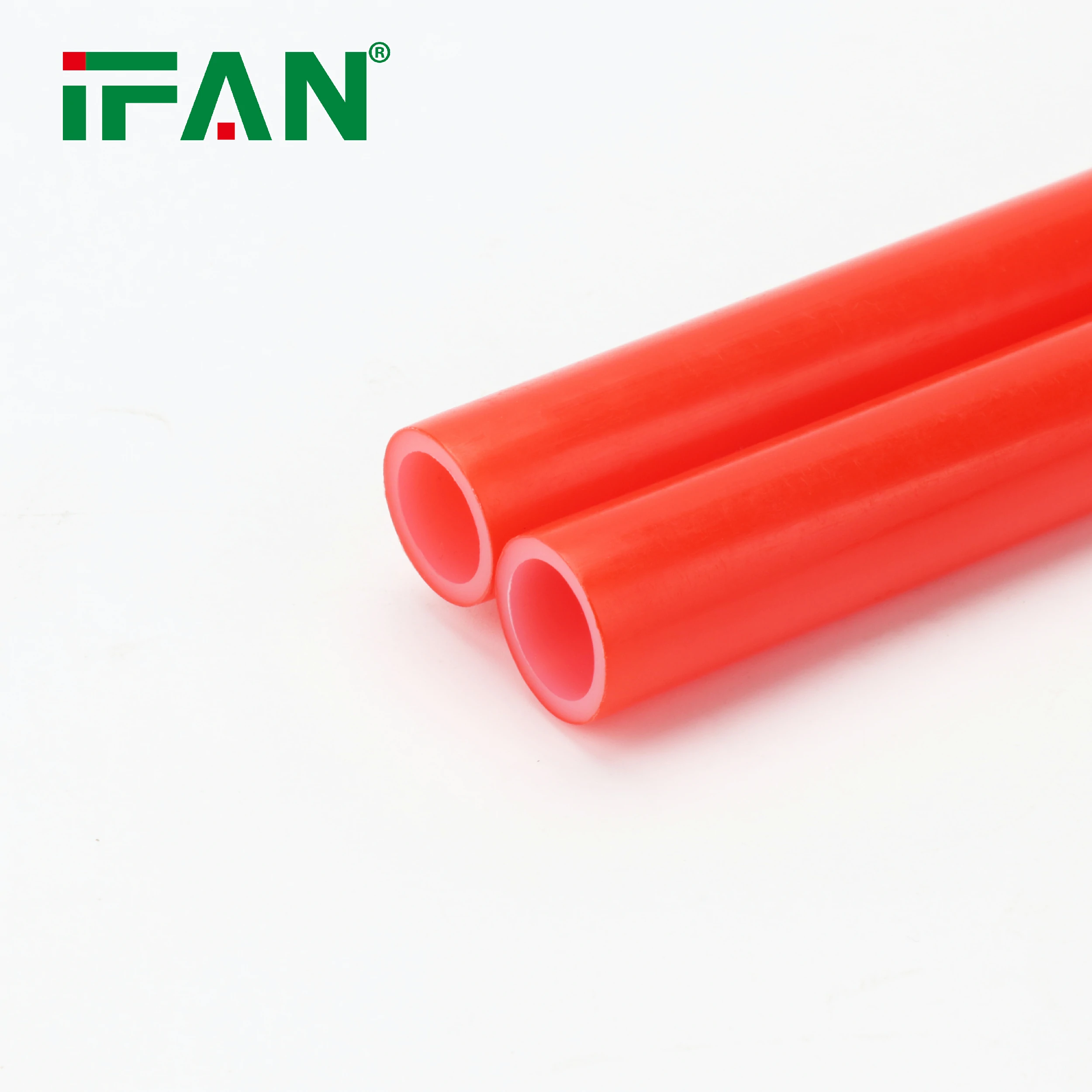
PERT pipe is a high-performance polyethylene pipe specifically engineered to withstand higher temperatures than standard polyethylene. It is designed for hot water circulation in residential heating systems and retains its shape and strength under continuous exposure to heat and pressure. PERT pipes are lightweight, flexible, corrosion-resistant, and chemically stable, making them ideal for home heating systems that require reliability and long-term performance.
Flexible PERT pipes allow for smooth routing through floors, walls, and tight spaces without requiring excessive fittings, reducing installation complexity and improving system efficiency.
Advantages of PERT Pipes in Residential Heating
High Temperature and Pressure Resistance
PERT pipes can handle water temperatures up to 95°C, ensuring safe operation in underfloor heating loops, radiator circuits, and boiler connections. They also withstand typical residential system pressures, minimizing the risk of leaks or pipe deformation.
Flexibility and Easy Installation
One of the main benefits of PERT pipes is their flexibility. Installers can bend the pipe around corners and obstacles without adding additional fittings, reducing labor costs and potential leak points. This is particularly advantageous in residential settings where layouts may include multiple rooms or tight spaces.
Corrosion and Chemical Resistance
Unlike metal pipes, PERT pipes resist corrosion, rust, and chemical damage from minerals or water additives. This ensures long-term system integrity, clean water flow, and minimal maintenance for homeowners.
Energy Efficiency
The smooth internal surface of PERT pipes reduces friction, allowing hot water to flow efficiently through the heating system. This minimizes heat loss, ensures even heat distribution, and contributes to energy savings in the home.
Long-Term Durability
High-quality PERT pipes maintain structural integrity and flexibility over decades of operation. Their ability to withstand thermal expansion, pressure fluctuations, and chemical exposure ensures a reliable, low-maintenance heating system for residential properties.
Common Applications in Residential Heating
PERT pipes are widely used in residential hydronic heating systems. Typical applications include:
Underfloor heating circuits for single or multi-story homes
Radiant wall or ceiling heating systems
Connections to boilers, heat pumps, or domestic water heaters
Renovation projects requiring flexible and durable piping solutions
Water distribution loops in combination with manifold systems
These pipes are ideal for homes seeking energy-efficient heating solutions with minimal maintenance requirements.
Installation Considerations
Layout Planning
Designing an efficient layout ensures even heat distribution and reduces pressure drops. Manifolds are often used to divide the heating system into multiple circuits, ensuring balanced flow and optimal temperature control in each room.
Securing Pipes
PERT pipes should be fixed to floors, insulation boards, or walls using clips or brackets to maintain alignment and prevent movement. Proper support ensures durability and reduces stress on joints during operation.
Avoiding Sharp Bends
While PERT pipes are flexible, sharp bends can cause kinking and stress. Gradual curves allow smooth water flow and prevent potential damage to the pipe.
Connection Methods
PERT pipes are joined using compression fittings, push-fit connectors, or crimping tools. These methods create secure, leak-proof joints without soldering, welding, or excessive fittings.
Pressure Testing
After installation, pressure testing ensures system integrity and confirms that all joints and pipes perform safely under operating pressure and temperature.
Selecting the Right PERT Pipe for Residential Heating
When choosing PERT pipes for a home heating system, consider:
Pipe Diameter: Match the diameter to the required flow rate and circuit length.
Temperature and Pressure Ratings: Ensure compatibility with your boiler, water heater, or heat pump.
Wall Thickness: Thicker walls provide higher durability and pressure resistance.
Certification: Select pipes that comply with local building codes and safety standards.
Compatibility: Verify that fittings, valves, and manifolds are compatible with the PERT piping system.
Proper selection ensures optimal heat distribution, energy efficiency, and long-term reliability.
Conclusion
PERT pipe for residential heating offers a flexible, durable, and energy-efficient solution for modern home heating systems. Its high temperature and pressure resistance, corrosion protection, and ease of installation make it ideal for underfloor heating, radiant wall circuits, and radiator systems. By selecting the appropriate pipe size, fittings, and layout, homeowners and contractors can achieve consistent heat distribution, reduced maintenance, and reliable long-term performance. PERT pipes combine practicality, safety, and durability, making them a smart choice for efficient and comfortable residential heating solutions.