
PEX-Aluminum-PEX Pipes Uncovered: Are They the Safe Bet for Your Home's Heating/Hot Water System? Read This to Avoid Costly Mistakes!
Let's cut to the chase-nobody wants to deal with a leaky pipe, a cold floor in winter, or a sky-high energy bill. If you're renovating, building, or just curious about upgrading your home's heating or hot water system, you've probably heard of PEX-Aluminum-PEX (PEX-AL-PEX) pipes. But are they really the "set-it-and-forget-it" solution everyone claims? Let's break it down in plain English-no jargon, no sales pitch, just the facts you need to know.IFAN factory 30+ years manufacture experience support color /size customization support free sample.Welcome to consult for catalog and free samples.This is our Facebook Website:www.facebook.com.
Why PEX-AL-PEX Pipes Are Everywhere (and Why That Matters)
The "No More Leaks" Promise
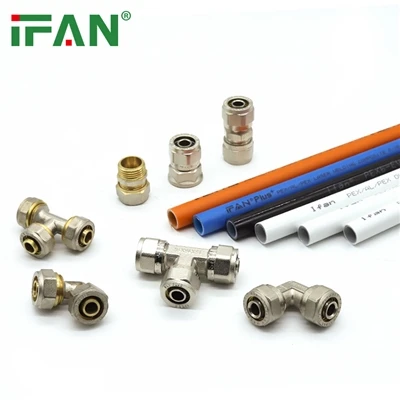
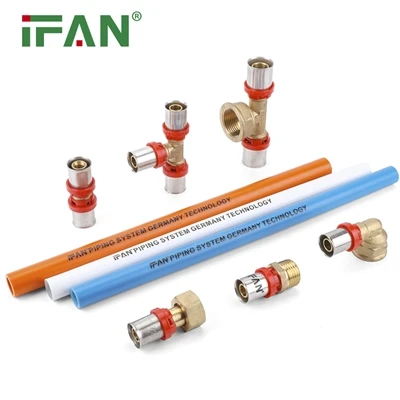
Traditional plastic pipes can expand, contract, or even crack under pressure. PEX-AL-PEX pipes sandwich a layer of aluminum between two layers of PEX (cross-linked polyethylene). The aluminum acts like a shield, preventing oxygen from seeping in (which causes rust in boilers and radiators) and keeping the pipe rigid enough to avoid kinks. Translation: fewer leaks, longer lifespan.
Hotter, Faster, Better
PEX can handle high temps (up to 200°F/93°C), and the aluminum layer distributes heat evenly. That means your underfloor heating warms up faster, your shower stays steamy longer, and your boiler doesn't have to work overtime.
Flexible Like a Contortionist
Unlike rigid metal pipes, PEX-AL-PEX bends easily around corners, reducing the need for fittings (and potential leak points). It's a DIYer's dream-if you're handy, you can even install it yourself (though we recommend a pro for peace of mind).
The Downsides: What Nobody Tells You
Costs Add Up
PEX-AL-PEX isn't the cheapest option. It's pricier than standard PEX or copper, but the long-term savings (on repairs, energy bills, and peace of mind) often justify the upfront cost.
Installation Requires Skill
While it's flexible, cutting and joining PEX-AL-PEX pipes needs precision. A bad connection can lead to leaks, so hire a licensed plumber if you're not confident.
Not All Brands Are Created Equal
Some manufacturers cut corners with thinner aluminum layers or lower-quality PEX. Do your research-look for certifications (like NSF or ASTM) and read reviews.
Where PEX-AL-PEX Shines (and Where It Doesn't)
Best For:
Underfloor heating systems (evenly distributes heat, no cold spots)
Radiator systems (blocks oxygen, preventing corrosion)
Solar water heaters (handles high temps and UV exposure)
Retrofits (easy to snake through walls without major demolition)
Skip It For:
Outdoor use in freezing climates (PEX can burst if water freezes inside)
High-pressure industrial applications (copper or stainless steel might be better)
Budget projects where every penny counts (though the ROI might surprise you)
Real Talk: Is It Worth It?
Here's the deal-if you want a reliable, long-lasting, and energy-efficient system for your home's heating or hot water, PEX-AL-PEX is a strong contender. It's not the cheapest, but it's one of the most durable and low-maintenance options out there.
But don't just take our word for it. Ask around-check with local plumbers, read homeowner forums, and compare quotes. And if you're still unsure, start small: use it for a bathroom renovation or a single-zone heating system to test the waters.
Final Verdict: To Buy or Not to Buy?
YES if you value longevity, energy savings, and hassle-free performance.
NO if you're on a shoestring budget or need a pipe for extreme conditions (like sub-zero temps without insulation).
The bottom line? PEX-AL-PEX isn't magic, but it's as close as it gets in the world of plumbing. Do your homework, hire a pro for installation, and enjoy years of worry-free warmth.
Now, go forth and make an informed decision-your feet (and wallet) will thank you!