
Introduction to ISO 15875 PEX Pipe
PEX pipe, short for cross-linked polyethylene pipe, has become a preferred choice for modern water supply systems. Known for its flexibility, durability, and ease of installation, it has replaced many traditional piping materials such as copper and galvanized steel. PEX pipe can be used for both hot and cold water lines, making it versatile for residential, commercial, and industrial applications. Its unique manufacturing process enhances its strength and resistance to temperature variations, ensuring reliable performance over time.
Material Composition and Manufacturing
PEX pipe is made from high-density polyethylene that undergoes a cross-linking process to improve its mechanical properties. This cross-linking can be achieved using different methods, such as the peroxide method (PEX-a), silane method (PEX-b), or electron beam method (PEX-c). Each method affects the pipe's flexibility, temperature resistance, and pressure capacity. The result is a tubing product with improved structural integrity and a reduced risk of cracking under stress or fluctuating conditions.
Flexibility and Ease of Installation
One of the most valued features of PEX pipe is its flexibility. Unlike rigid metal pipes, PEX can bend around corners without the need for numerous fittings, which reduces installation time and potential leak points. This characteristic allows installers to run longer continuous lengths of pipe, minimizing joints and simplifying layouts. Its lightweight nature also makes it easier to transport and handle, even in confined spaces or complex plumbing systems.
Resistance to Corrosion and Scaling
PEX pipe is not susceptible to the corrosion issues that affect many metal pipes. It resists rust, pitting, and scaling, which ensures a consistent internal diameter and reliable water flow over its lifetime. This resistance to buildup makes it especially suitable for areas with hard water, where mineral deposits often cause problems in metal piping systems. Its non-metallic composition also prevents electrochemical reactions that can weaken or damage pipes.
Thermal Performance
PEX pipe is designed to handle both hot and cold water applications effectively. It can expand slightly to accommodate freezing conditions without bursting, and it retains its shape once temperatures normalize. In hot water systems, PEX pipe can withstand temperatures up to 200°F, depending on the specific type and installation standards. This thermal tolerance allows it to perform reliably in a variety of climates and operating environments.
Applications in Residential Plumbing
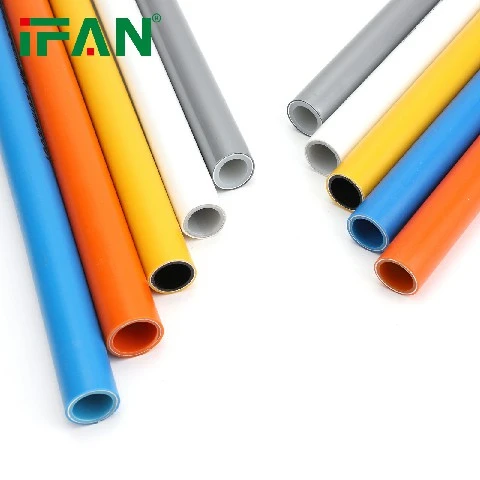
In homes, PEX pipe is used for water distribution lines, underfloor heating, and even snow melting systems in driveways. Its flexibility allows for easy routing through walls, floors, and ceilings without excessive cutting or jointing. Homeowners benefit from fewer maintenance issues, reduced noise from water flow, and efficient delivery of both hot and cold water. The ability to color-code PEX (red for hot, blue for cold) also simplifies identification during installation and repairs.
Commercial and Industrial Applications
Beyond residential use, PEX pipe is found in large-scale plumbing projects for offices, schools, hospitals, and industrial facilities. Its resistance to corrosion makes it suitable for long-term use in water distribution networks. In industrial applications, PEX can transport various non-corrosive fluids without degrading. It is also compatible with different connection methods, such as crimp, clamp, and push-fit fittings, allowing for versatility in different work environments.
Compatibility with Modern Fittings and Fixtures
PEX pipe works with a wide range of fittings, valves, and fixtures, making it adaptable to existing systems and new installations alike. The availability of standardized connection methods ensures that plumbers and technicians can integrate PEX tubing without requiring specialized tools for every application. Its compatibility with manifold systems also supports modern plumbing designs, where each fixture can have a dedicated line for improved water flow control.
Durability and Longevity
PEX pipe is engineered for long service life, often exceeding long-term durability according to standards under normal operating conditions. Its ability to resist degradation from chemicals, temperature fluctuations, and mechanical stress contributes to its durability. Unlike some traditional materials, PEX maintains its integrity without becoming brittle over time. This long lifespan helps reduce overall maintenance and replacement costs, making it a cost-effective solution for water systems.
Energy Efficiency in Water Distribution
The insulating properties of PEX pipe help maintain water temperature during transport, reducing heat loss in hot water systems and preventing unnecessary energy consumption. This efficiency is particularly beneficial in buildings with long pipe runs, where heat retention can make a noticeable difference in energy bills. Additionally, PEX's smooth internal surface minimizes friction, allowing water to flow more easily and reducing the energy required for pumping.
Environmental Considerations
PEX pipe production involves fewer raw materials compared to metal piping, and its lightweight nature reduces transportation energy costs. Many PEX systems also contribute to water conservation by reducing leak risks and improving flow efficiency. While PEX is not biodegradable, it is recyclable in certain facilities, and its long lifespan reduces the frequency of disposal and replacement, contributing to more sustainable building practices.
Maintenance and Repair
Maintaining a PEX pipe system is straightforward. Routine inspection can identify potential issues such as joint wear or accidental damage. If repairs are needed, they are usually quick to perform due to the pipe's flexible nature and compatibility with various fittings. In most cases, sections can be replaced without dismantling large portions of the system, saving time and labor costs.
Future Trends and Developments
As technology advances, PEX pipe manufacturing continues to improve in terms of material strength, temperature resistance, and environmental sustainability. Enhanced cross-linking methods and additives may increase lifespan even further, while smart plumbing systems could integrate PEX with sensors for leak detection and water monitoring. These innovations are likely to expand PEX applications into more specialized and demanding environments.
Conclusion
PEX pipe stands out as a reliable, adaptable, and long-lasting choice for modern water systems. Its flexibility, resistance to corrosion, and ease of installation make it a preferred option for a wide range of plumbing applications. Whether in residential, commercial, or industrial settings, PEX offers consistent performance and durability. As plumbing technology evolves, PEX will continue to play an essential role in creating efficient, cost-effective, and sustainable water distribution networks.