
Understanding the structure of PPR fittings
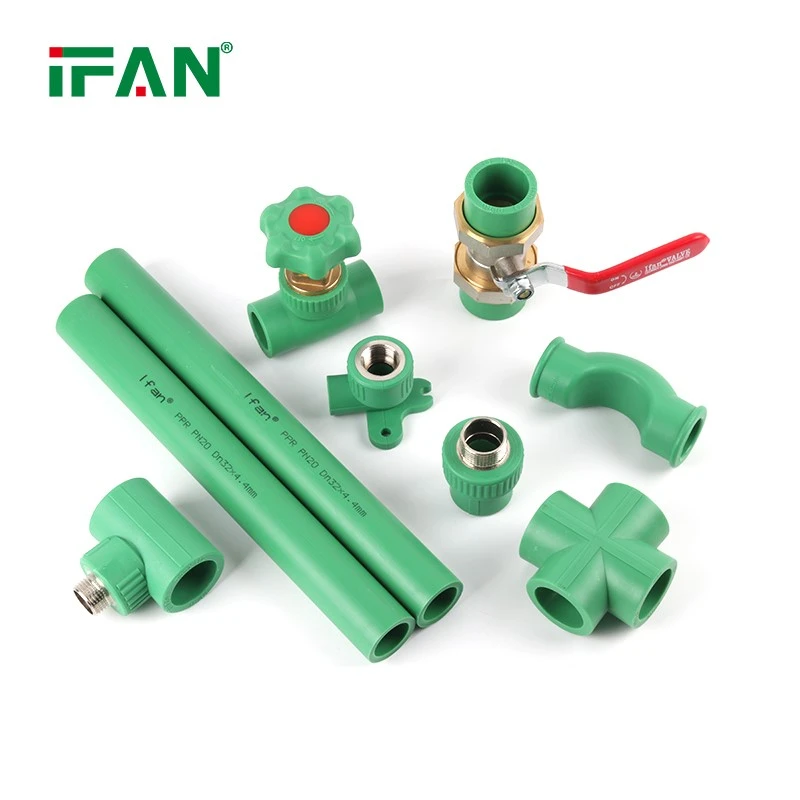
PPR fittings are injection-molded components manufactured from high-quality polypropylene random copolymer material. This thermoplastic polymer is known for its strength, chemical resistance, and thermal stability. The internal surfaces of ISO 15874 PPR fittings are smooth and uniform, minimizing flow turbulence and pressure drops. The fittings are available in various configurations, including elbows, tees, reducers, and couplings, designed to match the specifications of PPR piping. The precise internal diameter and consistent wall thickness across all fitting types support balanced pressure and uninterrupted flow throughout the system.
Smooth internal surfaces reduce friction
One key factor in ensuring consistent flow through a piping system is the smoothness of the internal surfaces. PPR fittings are manufactured with a polished interior that helps minimize frictional resistance. Reduced friction translates into lower energy requirements for fluid movement, whether in domestic hot water systems, cooling loops, or industrial fluid distribution. The absence of ridges, rough edges, or threading inside the fittings prevents sediment buildup and flow disruption. This smooth passage also reduces noise in the system, a significant advantage in residential buildings and sensitive facilities such as hospitals or laboratories.
Tight sealing through thermal fusion
The sealing of PPR fittings is achieved through a process called thermal fusion or socket fusion. In this method, both the pipe and the fitting are heated using a special fusion tool until the surfaces become soft. They are then pressed together to create a homogeneous bond. This technique forms a leak-proof joint that is as strong as the pipe itself. Since no adhesives, rubber gaskets, or mechanical clamps are used, the risk of future leaks due to wear, aging, or chemical degradation is minimized. These sealed joints contribute to a maintenance-free system with excellent long-term reliability.
Leak prevention and system durability
Tight seals in piping systems are essential to avoid water loss, structural damage, and operational inefficiencies. In PPR systems, the fusion welding process eliminates joint gaps and minimizes the chance of leak pathways. Unlike mechanical joints that can loosen due to pressure fluctuations or thermal expansion, fused PPR connections remain intact under all operating conditions. This advantage ensures that even high-pressure systems, such as those found in high-rise buildings or industrial processes, remain secure and leak-free. The durability of these joints also reduces the need for periodic inspections or maintenance, saving time and operational costs.
Pressure and temperature handling
PPR fittings are designed to handle varying pressure and temperature conditions without compromising their structural integrity. Most standard PPR systems can withstand continuous pressures up to 10–20 bar and operating temperatures up to 70°C, with short-term exposure tolerances up to 95°C. These characteristics make PPR suitable for both cold and hot water applications. Importantly, the strength of the fused joints does not decrease over time when exposed to pressure and heat cycles. The fittings expand and contract uniformly with the pipe, maintaining the seal integrity and preventing microcracks or deformation that could affect flow consistency.
Resistance to internal scaling and clogging
In metal piping systems, scaling caused by mineral deposits can restrict flow and damage components. PPR's non-reactive surface reduces the likelihood of calcium, magnesium, or rust buildup inside the fittings. This resistance to scaling ensures that the internal diameter of the system remains open and unimpeded, preserving the original flow rate. In HVAC systems, industrial water loops, and drinking water supply lines, the reduction of scale formation also contributes to longer equipment life and improved energy efficiency. The smooth bore of PPR fittings is a key reason why many engineers prefer this material in areas with hard water.
Vibration and impact resistance
Plumbing systems in large buildings or industrial plants often experience vibration from pumps, pressure surges, or external mechanical stress. PPR fittings provide excellent resistance to such conditions due to their elasticity and impact strength. Unlike brittle materials that may crack under sudden force or repeated vibration, PPR fittings can absorb stress without failing. This quality helps maintain joint sealing even under dynamic conditions. In areas prone to seismic activity or where piping is mounted on vibrating machinery, the use of PPR fittings adds a layer of security against leaks and mechanical breakdowns.
Compatibility with flow balancing systems
Modern plumbing and HVAC designs often require flow control or balancing to ensure efficient system performance. PPR fittings can be easily integrated with valves, flow meters, and control devices thanks to the availability of adapter fittings and integrated solutions. The precision with which these fittings are manufactured allows for smooth transitions between flow-regulated sections and open piping. Engineers can design systems with predictable flow rates and pressures because of the consistent internal geometry of PPR fittings. This consistency supports energy efficiency and system stability across all zones of a building or industrial facility.
Support for hygienic water delivery
In systems where water quality is critical, such as hospitals, food processing plants, and residential drinking water lines, the internal cleanliness of the piping system plays a crucial role. PPR fittings do not leach chemicals, release heavy metals, or harbor bacterial growth. Their chemically inert surface prevents interaction with transported fluids, maintaining water purity. This hygienic advantage is directly tied to the consistent flow characteristics and tight sealing, as fewer disruptions and contaminants are introduced into the system. The fittings are also resistant to biofilm formation, ensuring a clean and safe water supply over time.

Ease of inspection and maintenance
While PPR systems are largely maintenance-free, their performance can be periodically assessed with basic pressure testing and visual inspection. The clarity of the fusion process makes it easy to identify if a joint is properly welded. If a section requires replacement or expansion, the existing system can be modified using thermal fusion techniques without compromising sealing. This ease of maintenance and adaptability ensures that PPR fittings remain serviceable throughout the lifecycle of the building or infrastructure. The long-term reliability of the fittings reduces the need for emergency repairs and contributes to overall operational continuity.
Cost-effective performance over time
The combination of consistent flow, tight sealing, and durability makes PPR fittings a cost-effective solution for long-term piping needs. Although the initial installation may involve investment in fusion tools, the resulting savings in maintenance, water loss prevention, and energy efficiency more than justify the expense. With a service life of up to long-term durability according to standards under normal operating conditions, PPR systems offer unmatched value. Their performance remains consistent even under demanding conditions, providing peace of mind for engineers, contractors, and building owners.
Conclusion
PPR fittings are specifically designed to support consistent fluid flow and maintain tight, reliable seals throughout their service life. Their engineered geometry, smooth internal surfaces, and fusion-welded joints eliminate common failure points found in traditional piping materials. Whether used in residential water supply, commercial HVAC systems, or industrial fluid transport, PPR fittings deliver reliable performance, reduced maintenance needs, and long-term cost savings. Their ability to provide both flow efficiency and leak resistance makes them a preferred choice in modern plumbing design.