
Polypropylene Random Copolymer (PPR) pipes have become a popular choice in modern plumbing systems due to their durability, corrosion resistance, and eco-friendly characteristics. To ensure a leak-free and long-lasting installation, understanding the correct jointing methods for PPR pipe fittings is crucial. Proper techniques not only maintain system integrity but also improve water flow efficiency and reduce maintenance costs.IFAN factory 30+ years manufacture experience support color /size customization support free sample.Welcome to consult for catalog and free samples.This is our Facebook Website:www.facebook.com.
Types of PPR Pipe Fittings
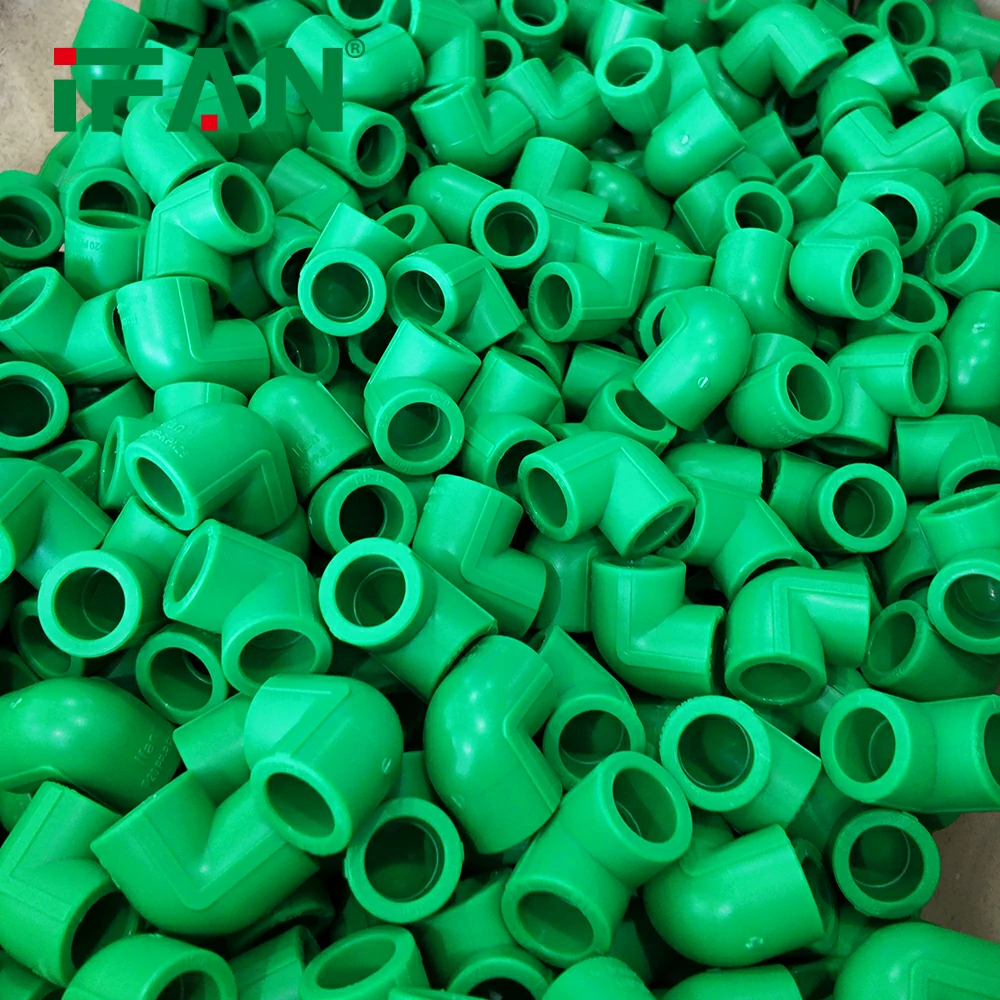
PPR pipe fittings come in various shapes and sizes, including elbows, tees, couplers, reducers, and end caps. These fittings allow plumbers to navigate complex pipe networks while maintaining optimal flow. Each fitting type may require a specific jointing method, making it essential to match the technique with the fitting's design. Selecting the appropriate fitting also influences the overall performance of the plumbing system.
Fusion Welding Method
The most common method for connecting PPR pipes is fusion welding, also known as heat fusion. This technique involves heating the pipe and the fitting simultaneously using a specialized welding machine. Once both parts reach the correct temperature, they are pressed together to form a solid, monolithic joint. Fusion welding creates a seamless connection with high strength, eliminating the risk of leaks or joint failure.
Key advantages of fusion welding include its reliability and resistance to high pressure and temperature. However, the process requires proper training, accurate temperature control, and clean surfaces. Any contamination, such as dust or moisture, can compromise the joint quality.
Socket Fusion Method
Another widely used method is socket fusion, which is suitable for smaller diameter pipes and fittings. In this method, the pipe is inserted into a heated fitting socket, and the two components melt and fuse together. Socket fusion is faster than butt fusion and often used for domestic installations where pipe diameters are below 63mm.
It is crucial to ensure that the pipe is fully inserted into the socket and held steady until cooling completes. This ensures uniform material bonding and prevents weak points. Socket fusion is ideal for tight spaces and provides excellent joint integrity when executed correctly.
Butt Fusion Method
For larger pipes, the butt fusion method is preferred. This technique involves aligning the ends of two PPR pipes and heating them on a flat welding plate. Once the material reaches the melting point, the pipes are pressed together with uniform pressure. After cooling, the joint forms a continuous, strong connection.
Butt fusion is highly effective for industrial and commercial plumbing systems, where large diameters and high water pressures are common. The method produces joints that are as strong as the base pipe itself, offering maximum durability and long-term reliability.
Mechanical Fittings
In addition to thermal fusion methods, mechanical jointing techniques are available for situations where pipes may need to be dismantled or repositioned. Mechanical fittings use compression or threaded connections to join PPR pipes. While these joints are easier to install without specialized equipment, they may not provide the same long-term strength as fused joints.
Mechanical joints are often chosen for temporary systems, repairs, or areas where disassembly may be required. Ensuring correct tightening and alignment is essential to prevent leaks or misalignment.
Best Practices for PPR Jointing
Clean surfaces: Always clean the pipe ends and fittings to remove dust, grease, or moisture before jointing.
Correct heating: Follow manufacturer guidelines for temperature settings and heating times.
Alignment: Ensure pipes are aligned accurately to prevent stress and weak points in the joint.
Cooling time: Allow sufficient time for the joint to cool before applying pressure or water flow.
Use quality fittings: High-quality PPR fittings improve joint reliability and system longevity.
Conclusion
Mastering PPR pipe fitting jointing methods is essential for any plumbing professional. Fusion welding, socket fusion, butt fusion, and mechanical fittings each serve unique purposes depending on pipe size, system type, and installation requirements. Following proper techniques and best practices ensures leak-free connections, extended service life, and efficient water management. By understanding these methods, installers can optimize performance while minimizing maintenance issues, making PPR piping a reliable solution for modern plumbing applications.