
When it comes to plumbing and fluid management systems, choosing the right fittings plays a vital role in performance and durability. Among the many options available, screwed brass pipe fittings stand out for their reliability, strength, and versatility. These fittings combine the corrosion resistance of brass with the secure connection of threaded joints, making them a preferred choice in both residential and industrial applications.IFAN factory 30+ years manufacture experience support color /size customization support free sample.Welcome to consult for catalog and free samples.This is our Facebook Website:www.facebook.com.
What Are Screwed Brass Pipe Fittings?
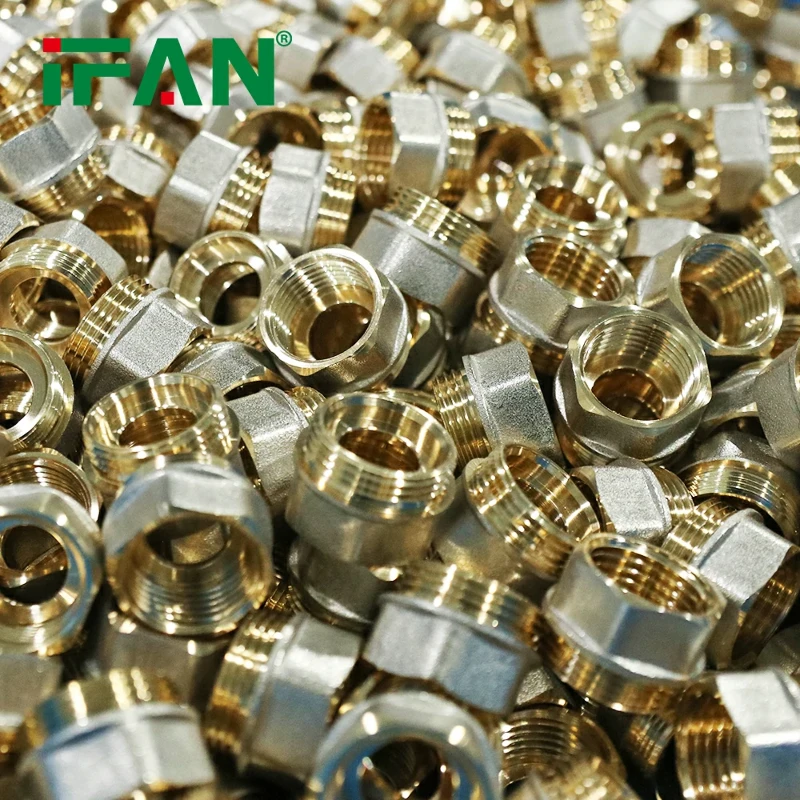
Screwed brass pipe fittings are components used to join sections of pipe through a threaded mechanism. Each fitting features internal or external threads that allow pipes to be screwed together tightly without welding or soldering. Brass, an alloy of copper and zinc, provides natural resistance to rust, high temperatures, and pressure fluctuations. This makes these fittings highly suitable for water supply, gas lines, and even chemical transfer systems.
Advantages of Brass as a Material
Brass has long been trusted in plumbing due to its unique properties. Its resistance to corrosion ensures fittings remain intact even when exposed to water, oils, or mild chemicals. The alloy also delivers excellent machinability, which allows precise thread cutting for leak-free connections. Another benefit is its strength-to-weight ratio. While lighter than steel, brass still offers the toughness needed for heavy-duty applications. Additionally, its smooth finish reduces friction, which supports better flow efficiency inside pipes.
Common Types of Screwed Brass Pipe Fittings
Several variations exist to meet different installation needs:
Elbows: Allow directional changes in piping systems.
Tees: Enable branching of pipelines for distributing flow.
Couplings: Connect two straight lengths of pipe.
Bushings: Help adapt different pipe sizes.
Unions: Allow easy disassembly without cutting the pipeline.
Each type serves a specific function, and choosing the right one helps maintain efficiency and safety in the plumbing layout.
Applications Across Industries
Screwed brass pipe fittings have a wide range of uses:
Residential Plumbing: Commonly installed in water supply lines for kitchens, bathrooms, and heating systems.
Industrial Settings: Used in compressed air systems, fuel lines, and hydraulic equipment.
Marine Applications: Their corrosion resistance makes them suitable for seawater exposure.
Agriculture: Reliable for irrigation systems that require durable, leak-free connections.
The adaptability of these fittings makes them a go-to solution across diverse environments.
Installation Tips for Best Results
Proper installation ensures long service life. Threads should be cleaned before connection, and sealants such as PTFE tape can be applied to prevent leaks. It is important not to overtighten fittings, as this may damage threads and weaken the joint. A torque-based approach is ideal, ensuring firmness without excess strain. Regular inspection during maintenance can also help detect early signs of wear and prevent costly breakdowns.
Comparison with Other Materials
While steel and plastic fittings also exist, brass offers a balanced solution. Steel fittings deliver high strength but can rust in wet conditions, requiring protective coatings. Plastic fittings resist corrosion but often lack the durability needed for high-pressure lines. Brass provides the middle ground, combining strength, longevity, and corrosion resistance, making it ideal for both light-duty and heavy-duty applications.
Environmental and Economic Considerations
Brass is a recyclable material, which adds to its environmental value. Old fittings can be reused or melted down for new products, reducing waste. Though brass fittings may cost slightly more upfront than plastic alternatives, their long lifespan lowers replacement and maintenance expenses. In the long term, this makes them a cost-effective investment for both households and industries.
Conclusion
Screwed brass pipe fittings remain an essential component in modern plumbing and industrial systems. Their durability, versatility, and resistance to corrosion set them apart from many alternatives. By choosing the correct type of fitting and following proper installation practices, users can enjoy efficient, leak-free connections that last for years. Whether for residential water supply or complex industrial piping, brass fittings continue to provide a trusted solution for secure and long-lasting fluid control.