
Understanding PPR Material Characteristics
DIN 8077 PPR fittings are made from Polypropylene Random Copolymer, a thermoplastic material known for its resistance to heat, chemicals, and pressure. This material ensures that fittings can withstand hot and cold water applications without degradation. PPR also offers a smooth internal surface, reducing friction loss and minimizing sediment buildup. Its inertness ensures that it does not react with water or common plumbing chemicals, maintaining water purity over time. These core properties make PPR fittings reliable and suitable for diverse environments.
Seamless Integration in Hot and Cold Water Systems
PPR fittings are designed for easy integration into both hot and cold water piping systems. They can handle high temperatures of up to 70°C in continuous operation and up to 95°C for short-term exposure. This makes them ideal for domestic hot water lines, central heating systems, and industrial applications where thermal stability is essential. Their resistance to thermal expansion and contraction helps prevent cracking or loosening over time, ensuring a secure and leak-free system throughout its life cycle.
Wide Range of Fitting Types
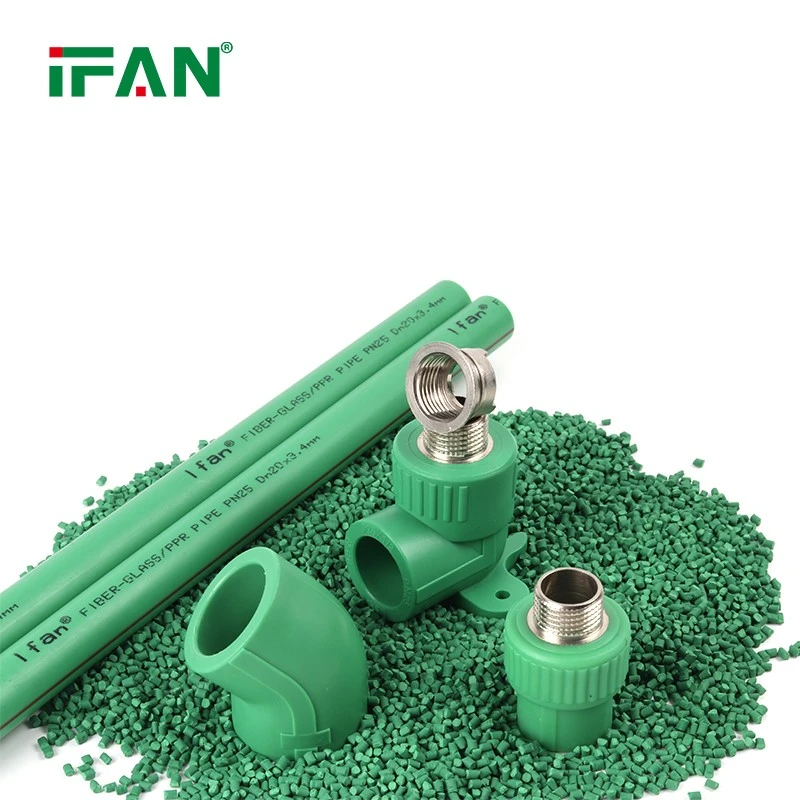
Versatility is a key strength of PPR fittings. Available in a broad variety of shapes and sizes, including elbows, tees, reducers, and flanges, PPR components can accommodate almost any pipe layout. Transition fittings allow connection to metal or other materials, making retrofits and mixed installations simple. This wide selection supports both standard and complex plumbing configurations, giving installers the flexibility to design optimal pipe networks with minimal constraints or compromises.
Streamlined Installation Process
PPR fittings simplify installation through a technique called thermal fusion welding. In this method, the pipe and fitting are heated and joined to form a single, continuous piece. This eliminates the need for threads, glues, or gaskets. The result is a fast, clean, and highly reliable connection. Thermal fusion reduces human error and ensures consistency across joints, making it suitable for large-scale plumbing projects where time and quality control are critical. Fewer tools are needed compared to metal or PVC installations, further simplifying the process.
Reduction in Leakage Risk
One of the most significant advantages of PPR fittings is their leak-proof nature. Fusion welding produces joints that are as strong as or stronger than the original pipe, drastically reducing the chance of water escaping from weak points. This is particularly beneficial in systems with fluctuating pressures or in locations where access for repairs is limited. By minimizing leaks, PPR fittings help conserve water, reduce maintenance costs, and avoid potential property damage caused by system failure.
Lightweight and Easy to Handle
PPR fittings are significantly lighter than metal alternatives, making them easier to transport, store, and install. This can speed up the installation process, especially in large-scale construction projects. The lightweight nature of the material also reduces the physical effort required by installers and eliminates the need for heavy lifting equipment in most scenarios. Despite being light, PPR fittings retain high strength and can endure significant stress, making them an ideal combination of convenience and performance.
Resistance to Corrosion and Scale
Corrosion is a common issue in metal plumbing systems, particularly in regions with aggressive water chemistry. PPR fittings, however, are immune to rust, oxidation, and scaling. They do not interact chemically with water or minerals, preserving internal pipe diameter and ensuring consistent water flow over time. This also reduces the frequency of maintenance and the need for chemical cleaning agents, which can degrade other materials. In chemical plants or agricultural systems, this resistance ensures durability even when exposed to aggressive fluids.
Compatibility with Modern Plumbing Design
PPR fittings are compatible with modern plumbing design principles such as zoning, centralized heating, and modular installations. The ease of creating complex junctions and loops allows for precise pressure control and efficient water distribution. Whether the project involves a compact residential space or a large industrial network, PPR systems can be tailored to meet specific hydraulic and spatial requirements. This adaptability supports architects and engineers in optimizing building performance and user comfort.
Sustainable and Eco-Friendly Choice
Environmental considerations are increasingly important in construction. PPR fittings support sustainability through their long lifespan, low energy production requirements, and recyclability. They do not release harmful substances during use or decomposition, and they contribute to energy savings by maintaining water temperature in insulated systems. Furthermore, the reduction in water leakage and the absence of heavy metals in their composition make them a cleaner, greener alternative to traditional piping materials.
Longevity and Cost-Effectiveness
PPR fittings offer an expected service life of more than long-term durability according to standards when properly installed. Their durability reduces the need for replacement and frequent repairs, lowering long-term operational costs. Although the initial material cost may be higher than some other plastics, the total cost of ownership is often much lower. Fewer leaks, minimal maintenance, and extended reliability make them a smart investment for any project that values performance and efficiency over time.

Applications in Diverse Sectors
PPR fittings are used across a variety of sectors due to their versatility. In residential buildings, they serve domestic water supply and underfloor heating systems. In commercial buildings, they support HVAC, chilled water loops, and pressure boosting systems. Industrial applications include chemical transport, process water distribution, and even compressed air systems. The ability to handle aggressive environments and high pressure ensures they perform reliably across a broad spectrum of scenarios.
Simplifying System Upgrades and Maintenance
Because of their consistent dimensions and availability in various configurations, PPR fittings simplify system upgrades and extensions. Installers can easily tap into existing systems using compatible components, reducing downtime and installation complexity. Fusion joints also allow for rapid repairs with minimal disruption to other parts of the system. Maintenance crews benefit from standardized procedures and dependable outcomes, making PPR an ideal material for facilities requiring ongoing operational flexibility.
Conclusion
PPR fittings offer a powerful combination of versatility, durability, and simplicity that makes them ideal for today's demanding plumbing needs. Their resistance to heat, corrosion, and pressure, along with their wide range of fitting types and easy installation process, ensures they can be applied in nearly any project. By simplifying pipework and reducing system failures, PPR fittings contribute to safer, more efficient, and longer-lasting plumbing systems. For professionals looking to balance performance with practical installation, PPR fittings remain a top-tier solution.