
A single cold water faucet is one of the most common fixtures found in kitchens, bathrooms, and utility areas. It controls the flow of cold water to various appliances or sinks. Understanding the structure and working principle of this type of faucet can help with proper usage, installation, and maintenance. This article provides a detailed look at how a single cold water faucet operates and its internal components.
IFAN factory 30+ years manufacture experience support color /size customization support free sample.Welcome to consult for catalog and free samples.This is our Instagram Website: www.instagram.com.
1. What is a Single Cold Water Faucet?
A single cold water faucet is a simple plumbing fixture designed to supply cold water from the water supply line. Unlike faucets that control both hot and cold water, a single cold water faucet only regulates the flow of cold water. It typically features one handle that can be turned to control the water flow. These faucets are commonly found in utility areas, outdoor sinks, and some kitchen or bathroom setups.
The simplicity of a single cold water faucet makes it an affordable and easy-to-use solution for areas where only cold water is needed.
2. Main Components of a Single Cold Water Faucet
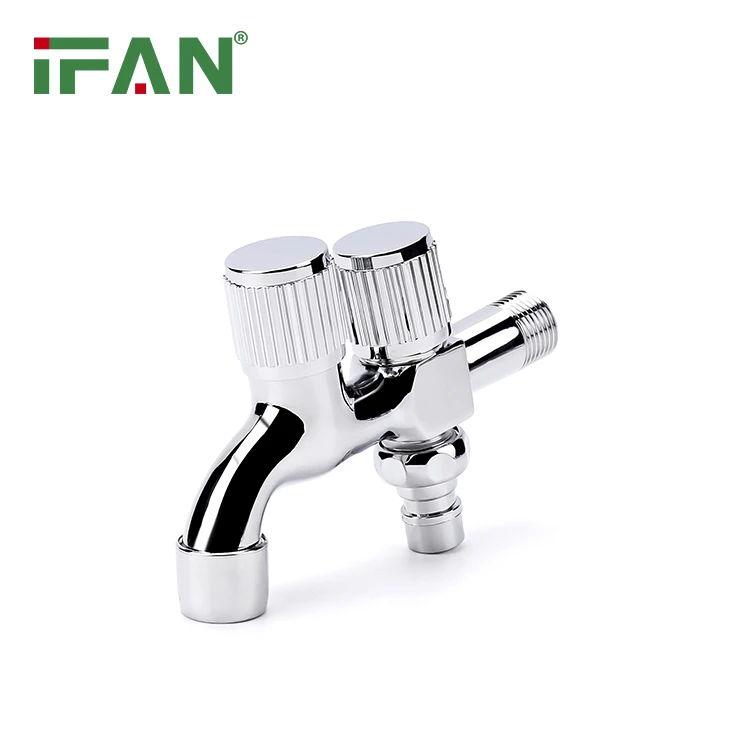
The basic structure of a single cold water faucet consists of several key components. The most important parts include the body, valve cartridge, handle, spout, and aerator. Each of these parts plays a crucial role in the faucet's functionality.
Body: The faucet body holds the internal components together. It is usually made of brass, stainless steel, or other durable materials.
Valve Cartridge: This internal mechanism regulates the flow of water when the handle is turned. It controls how much water flows through the faucet.
Handle: The handle is used to control the water flow by turning it. In a single cold water faucet, turning the handle adjusts the flow of cold water.
Spout: The spout is the part of the faucet where water flows out. It can be straight or have a curved design.
Aerator: The aerator at the tip of the spout mixes air with the water flow. It reduces splashing and helps conserve water.
3. How the Valve Cartridge Works
The valve cartridge is the heart of the faucet's operation. When you turn the handle, it moves the valve cartridge, allowing water to flow from the supply line through the faucet and out of the spout.
In a single cold water faucet, the valve cartridge only controls the flow of cold water. Turning the handle left or right adjusts the water flow rate. Some faucets use a compression valve, while others have ceramic disc cartridges. These cartridges are designed to create a watertight seal, preventing leaks when the faucet is off.
4. Water Flow Control Mechanism
Water flow is controlled through the movement of the handle. When you turn the handle clockwise or counterclockwise, the internal valve opens or closes, regulating the amount of cold water that enters the faucet. The flow rate can be adjusted by the angle of the handle's rotation.
The faucet may also have a flow restrictor or aerator attached to the spout. This restrictor reduces the water pressure, helping conserve water while still maintaining a sufficient flow for everyday use. It is especially important in eco-friendly plumbing systems where water conservation is a priority.
5. Installation of a Single Cold Water Faucet
Installing a single cold water faucet is a straightforward process that most homeowners can handle with basic plumbing skills. The faucet is typically installed on a sink or countertop with a dedicated cold water supply line.
To install the faucet, begin by attaching the water supply line to the faucet's inlet. Tighten the connections using a wrench, ensuring that the pipes are secure. Once the faucet is in place, check for leaks by turning the water on. It's important to use plumber's tape on threaded connections to prevent leaks. If any leaks are detected, tighten the connections further until the faucet is leak-free.
6. Maintenance of a Single Cold Water Faucet
Proper maintenance of a single cold water faucet ensures long-term performance. Over time, faucets may develop issues such as leaks, reduced water flow, or difficulty turning the handle. Here are some common maintenance tasks:
Cleaning the Aerator: Sediment and mineral buildup can clog the aerator, causing reduced water flow. Unscrew the aerator, clean it with vinegar or a descaling solution, and reinstall it.
Replacing the Cartridge: If the faucet handle becomes difficult to turn or the faucet leaks when turned off, it may be time to replace the valve cartridge.
Checking for Leaks: Regularly inspect the faucet and water supply lines for leaks. Leaks can waste water and lead to higher utility bills.
Routine maintenance can prevent costly repairs and extend the life of the faucet.
7. Advantages of a Single Cold Water Faucet
There are several advantages to using a single cold water faucet. One of the primary benefits is simplicity. A single cold water faucet is easy to use, with a single handle that controls the water flow. This simplicity makes it ideal for areas where only cold water is required, such as laundry rooms, gardens, or outdoor kitchens.
Additionally, single cold water faucets are often more affordable than their hot and cold counterparts. They require fewer components and are easier to install and maintain, making them an economical option for homeowners.
8. Common Problems with Single Cold Water Faucets
Although single cold water faucets are generally reliable, they can encounter a few common problems. These may include:
Leaks: Leaks may occur if the valve cartridge or seals wear out. A leaking faucet can waste water and increase your utility bills.
Low Water Pressure: If the faucet is not providing enough water, it may be due to a clogged aerator or an issue with the water supply line.
Hard-to-Turn Handle: Over time, mineral deposits or damaged internal components can cause the handle to become stiff or difficult to turn.
Identifying and addressing these issues promptly can prevent further damage and ensure smooth operation.
9. Conclusion
A single cold water faucet is a simple yet essential fixture in many plumbing systems. Its structure is easy to understand, consisting of a handle, valve cartridge, spout, and aerator. The working principle revolves around controlling the flow of cold water through the faucet using the valve cartridge. Proper installation and maintenance of the faucet are key to ensuring its efficiency and longevity. By following basic maintenance steps, you can keep the faucet in optimal working condition for many years.