
Working pressure refers to the maximum continuous operating pressure that acts on the inner wall of the pipe under normal working conditions, excluding the fluctuating pressure of water.This is our Facebook Website:www.facebook.com.
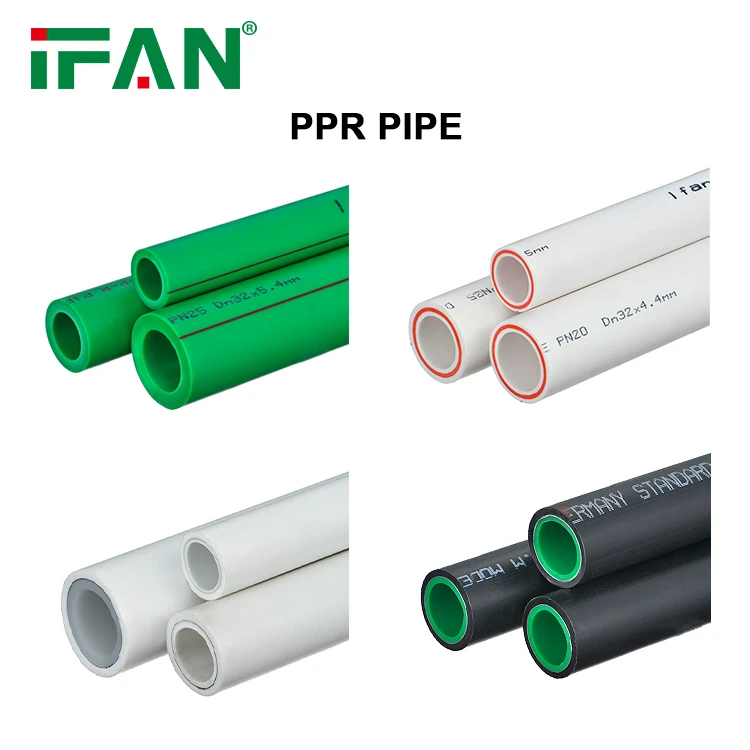
The design pressure refers to the maximum instantaneous pressure of the water supply piping system acting on the inner wall of the pipe. Generally, the sum of working pressure and residual water hammer pressure is used.IFAN factory 30+ years manufacture experience support color /size customization support free sample
Nominal pressure is a kind of nominal pressure artificially stipulated for the convenience of design, manufacture and use. The unit of this nominal pressure is actually the pressure, and the pressure is the common name in Chinese, and the unit is "Pa" instead of "N". Nominal pressure in English is Nominal pressure nominal in name or form but not in reality. The nominal pressure of the pressure vessel refers to the nominal pressure of the pressure vessel flange. The nominal pressure of the pressure vessel flange is generally divided into 7 levels, namely 0.25, 0.60, 1. 00, 1. 60, 2. 50, 4. 00, 6. 40 MPa.
Nominal pressure, also known as rated pressure, is a term used to describe the maximum pressure at which a particular system or device is designed to operate. It is used in a wide range of industries, including oil and gas, chemical processing, manufacturing, and many others.
Nominal pressure is a crucial consideration for engineers and designers when selecting and specifying components for a system. It is important because it determines the load-bearing capacity of components, as well as their overall durability and lifespan. In this article, we will dive deeper into the concept of nominal pressure, its definition, calculation, and applications.
Definition of Nominal Pressure
Nominal pressure is defined as the maximum allowable pressure that a component or system can withstand without experiencing permanent deformation or failure. It is expressed in units of pressure such as pounds per square inch (psi), bar, or pascal.
It is important to note that nominal pressure is not the same as working pressure, which is the pressure at which a component or system is operating under normal conditions. Working pressure can be lower than nominal pressure, as it accounts for factors such as temperature, fluid type, and other environmental conditions.
Calculation of Nominal Pressure
Nominal pressure is calculated by considering the material properties of the component or system and the design specifications. The following factors are taken into account in the calculation:
- The strength of the material: The material's yield strength and ultimate tensile strength are critical factors in determining its load-bearing capacity. The higher the strength of the material, the higher the nominal pressure it can withstand.
- The thickness of the material: Thicker material can withstand higher nominal pressures than thinner material. This is because thicker material has more material to absorb the internal pressure generated by the system.
- The design specifications: The design of the component or system is also a critical factor in determining its nominal pressure. The geometry, size, and shape of the component or system affect its structural integrity and its ability to withstand pressure.
Applications of Nominal Pressure
Nominal pressure is used in a wide range of applications across various industries. Some common examples include:
- Oil and Gas Industry: Nominal pressure plays a crucial role in selecting and designing components such as pipelines, valves, and pressure vessels used in oil and gas production. Pipelines, for instance, are designed to withstand high pressures and must be able to handle the transportation of liquids and gases over long distances.
- Chemical Processing Industry: Chemical processing plants utilize equipment such as reactors, distillation columns, and heat exchangers that operate at high pressures. Nominal pressure helps in determining the safety and reliability of these components, which are essential for the production of chemicals and petrochemicals.
- Manufacturing Industry: Nominal pressure is important in the manufacturing industry in shaping industrial equipment such as hydraulic presses and injection molding machines. These machines require a high level of force or pressure to operate effectively, and nominal pressure ensures that these devices can withstand high pressures without breaking down.
In Summary
Nominal pressure is a key consideration in many industries, particularly those that involve high-pressure systems or equipment. It is a critical factor in the design and selection of components and systems, and its calculation depends on the material properties of the component or system and the design specifications. Understanding nominal pressure is essential for ensuring that components and systems can operate safely and reliably, reducing the likelihood of accidents, and improving overall efficiency.