
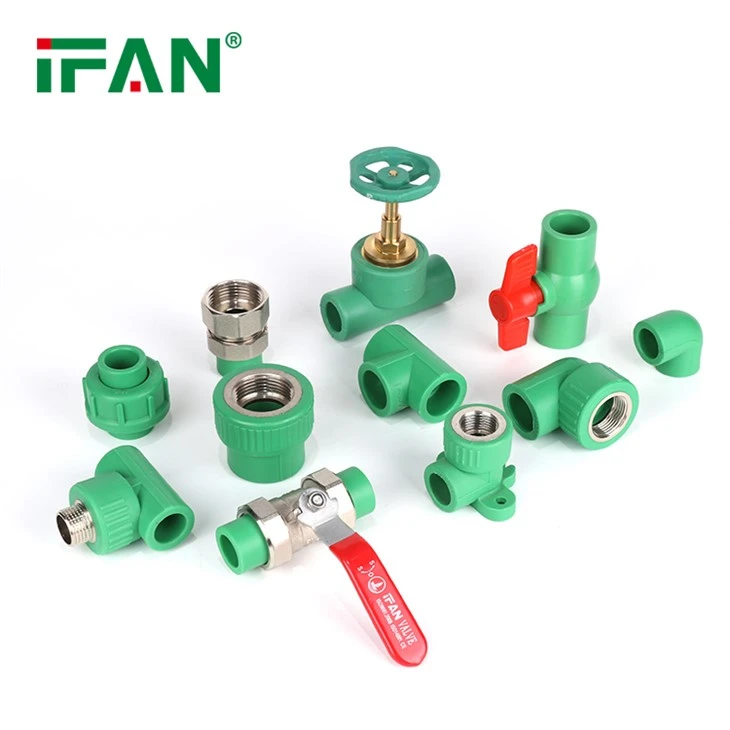

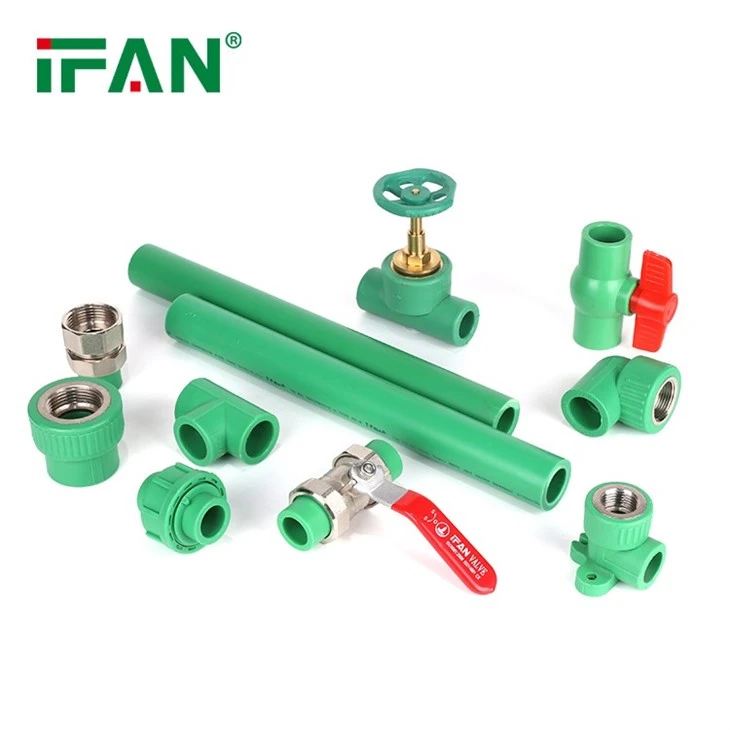
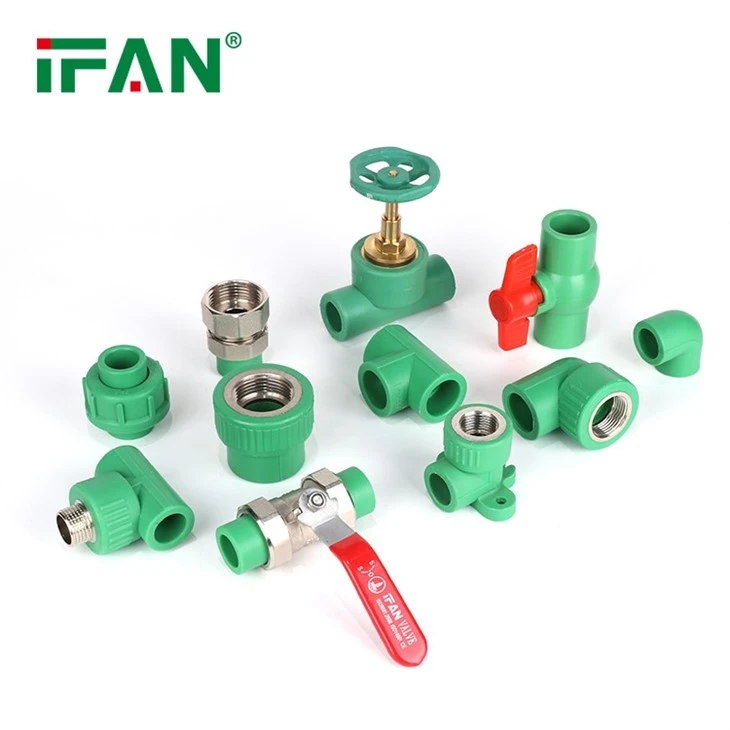
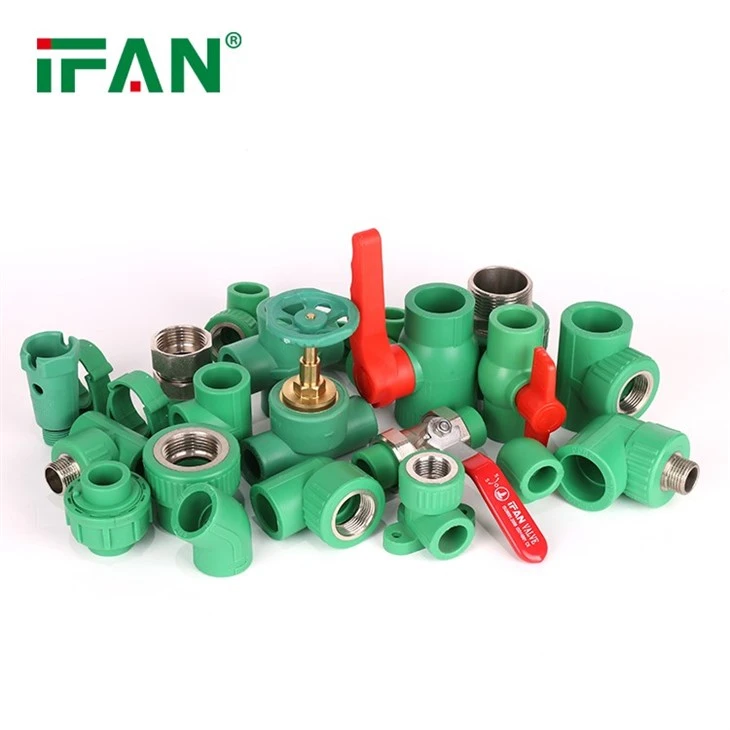
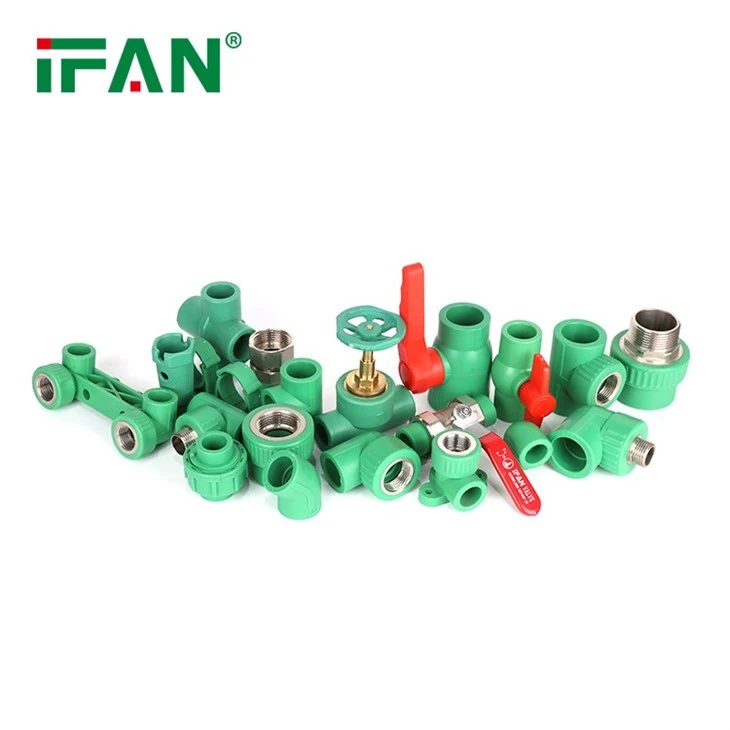
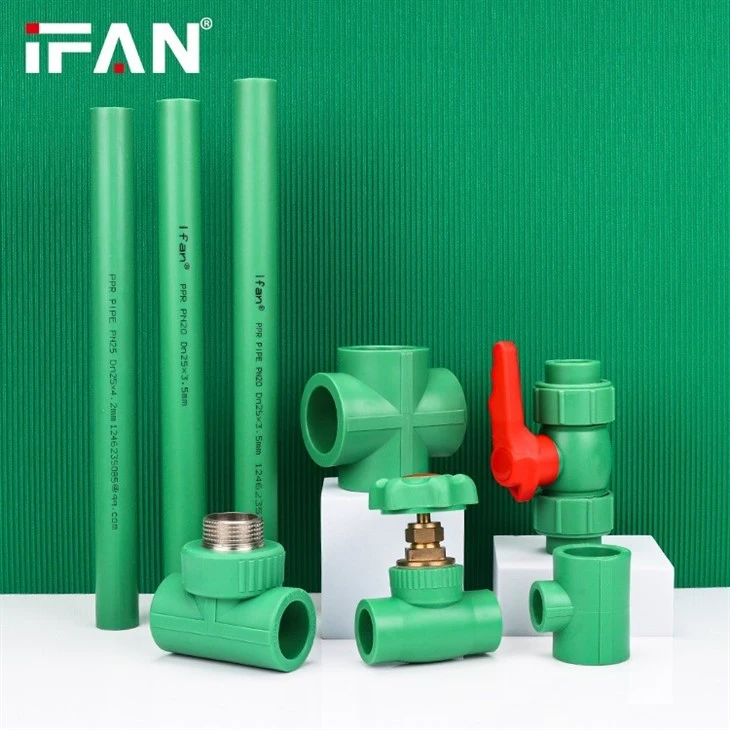
Plumbing Material Manual PPR Ball Valve
Material:100% Hyosung
Size:20-110mm
Application:Pipe Lines Connect
OEM:Provide OEM Services
Sample:Sample Freely
Send Inquiry
Product Details ofPlumbing Material Manual PPR Ball Valve
PPR Ball Valve Plumbing Material Manual: Installation, Maintenance, and Best Practices
1. Understanding PPR Ball Valves
Polypropylene Random Copolymer (PPR) ball valves are a staple in modern plumbing systems, renowned for their durability, corrosion resistance, and ease of installation. Made from thermoplastic polymer, they offer exceptional chemical inertness, making them ideal for hot and cold water applications, including HVAC, irrigation, and industrial piping.IFAN factory 30+ years manufacture experience support color /size customization support free sample.Welcome to consult for catalog and free samples.This is our Facebook Website:www.facebook.com.
Key Advantages of PPR Ball Valves:
High-Temperature Resistance: Withstands up to 95°C (203°F) for continuous use.
Leak-Free Design: Full-bore structure minimizes pressure drop and ensures smooth flow.
Fusion Compatibility: Easily connects to PPR pipes via heat-fusion welding, creating seamless joints.
2. Installation Guidelines
2.1 Pre-Installation Checks
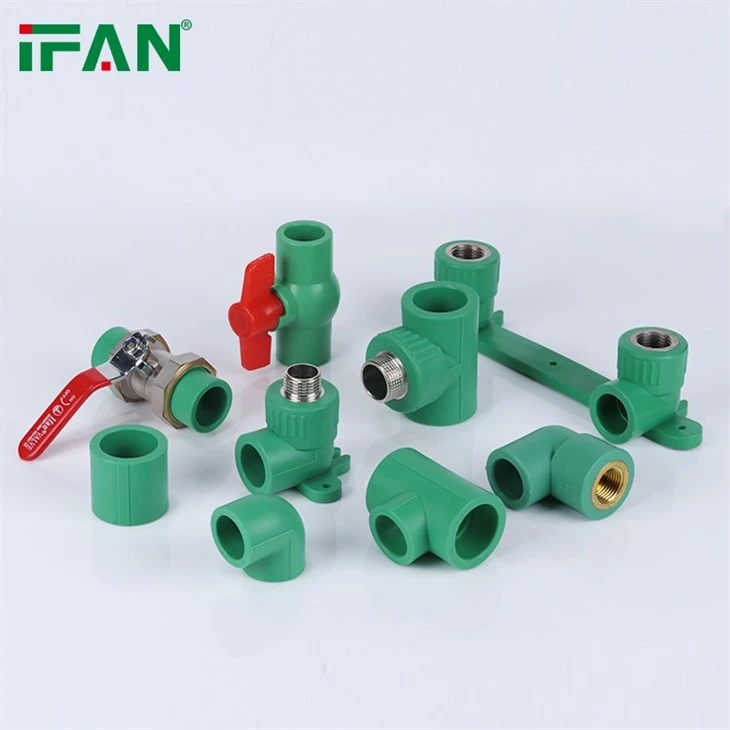
Verify valve size matches pipe diameter (e.g., DN20, DN25).
Ensure valve handles align with pipe direction for optimal operation.
2.2 Fusion Welding Process
Surface Preparation: Clean pipe ends and valve sockets with alcohol wipes.
Heating Tool Setup: Use a PPR-specific heat gun set to 260°C (500°F).
Socket Fusion: Insert pipe into the valve socket, applying even heat until a uniform bead forms.
Cooling: Allow 5 minutes for the joint to solidify before pressure testing.
2.3 Pressure Testing
Conduct a hydrostatic test at 1.5x working pressure for 1 hour to detect leaks.
3. Maintenance and Troubleshooting
3.1 Routine Inspections
Check handles for smooth rotation; stiffness may indicate debris buildup.
Inspect seals for wear every 2 years in high-use applications.
3.2 Common Issues
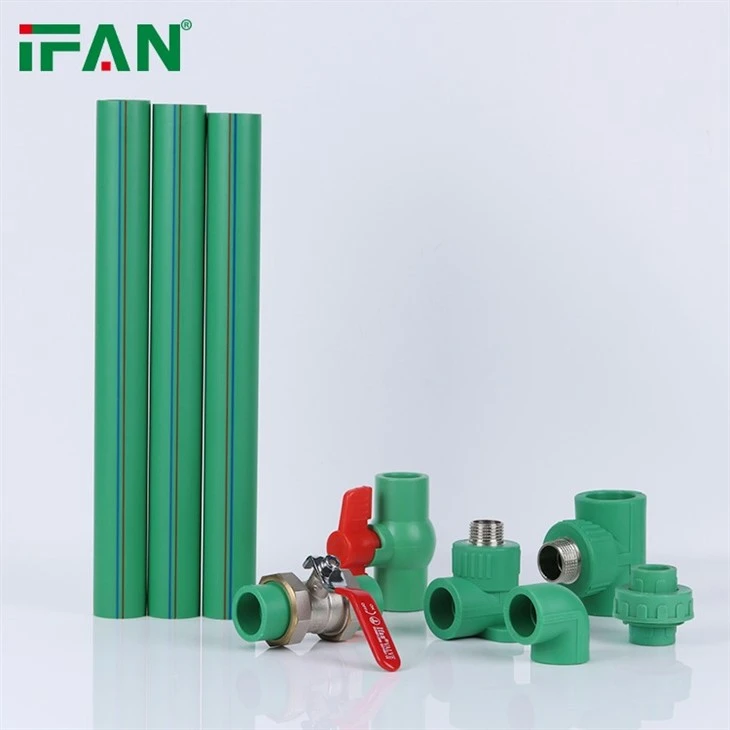
Leakage: Replace O-rings or re-torque compression fittings if leaks occur at joints.
Handle Jamming: Disassemble and clean the ball mechanism with mild soap solution.
4. Applications and Compliance
Residential Use: Perfect for domestic hot/cold water systems.
Commercial Use: Suitable for chemical transfer and compressed air lines (check compatibility).
Standards Compliance: Adheres to ISO 15874 and EN ISO 15874 standards for safety.
5. Environmental Considerations
PPR is recyclable and emits no toxic fumes during welding, aligning with eco-friendly building practices.
Conclusion
PPR ball valves combine reliability, cost-efficiency, and versatility for diverse plumbing needs. Proper installation and maintenance ensure long-term performance, reducing downtime and repair costs. For complex systems, consult manufacturers' specifications or certified plumbers to optimize valve selection and compliance with local codes.
Hot Tags: plumbing material manual ppr ball valve, China, suppliers, manufacturers, factory, customized, bulk, pricelist, for sale, free sample, made in China, PPR Plug With Air Valve, PPR Exchange Hot cold Water, PPR Male Seated Elbow, Plastic Fitting, PPR Plastic Reducing Socket, PPR Equal 90 Elbow
Previous
Water Supply PPR Ball ValveSend Inquiry
