
Introduction
Polypropylene Random Copolymer (PPR) pipes have become a popular choice for residential plumbing systems due to their durability, corrosion resistance, and ease of installation. They offer superior performance in both hot and cold water supply networks, making them ideal for modern housing projects. However, to maximize their benefits and ensure long-term reliability, proper installation practices must be followed. Incorrect installation can lead to leaks, reduced flow efficiency, or shortened service life. This article outlines the best practices for installing GB/T 18742 PPR pipes in residential projects, covering preparation, handling, jointing techniques, alignment, pressure testing, and maintenance considerations.IFAN factory 30+ years manufacture experience support color /size customization support free sample.Welcome to consult for catalog and free samples.This is our Facebook Website:www.facebook.com.
Material Preparation and Storage
Before beginning installation, it is essential to handle and store PPR pipes correctly to preserve their integrity. PPR pipes should be kept away from direct sunlight and heat sources, as prolonged UV exposure may degrade the material over time. Storage areas should be clean, dry, and well-ventilated. Pipes must be placed on a flat surface or properly supported racks to prevent bending or deformation. Additionally, installers should inspect all pipes and fittings before use, checking for visible damage, dirt, or defects. Proper material preparation ensures that all components perform as expected during and after installation.
Planning and Layout Design
A well-planned pipe layout is fundamental to a successful PPR installation. The system design should minimize sharp turns, unnecessary fittings, and long pipe runs that can reduce water pressure or increase installation costs. Installers should account for both hot and cold water lines, ensuring that they are clearly marked and spaced adequately to prevent heat transfer between them. Expansion joints or loops should be included in long runs to accommodate thermal expansion, especially for hot water systems. A precise layout drawing helps streamline the installation process, reducing potential errors and ensuring consistent water flow across all outlets.
Cutting and Preparation of Pipes
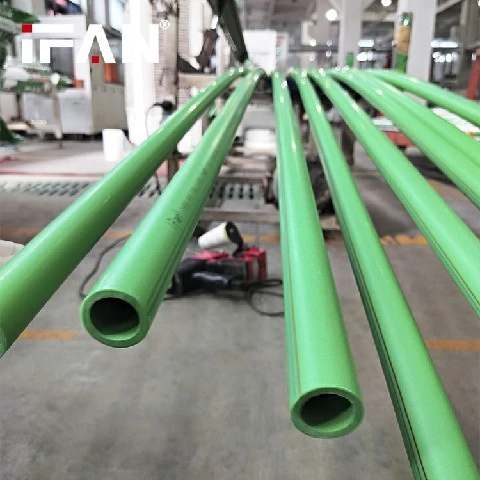
PPR pipes must be cut accurately using a sharp pipe cutter designed for plastic materials. Uneven or jagged cuts can compromise the quality of the joint, leading to leaks or weak connections. After cutting, the pipe ends should be cleaned with a lint-free cloth to remove any dust or debris. It is crucial to ensure that the pipe ends are straight and smooth, as this promotes proper fusion during the welding process. For socket fusion installations, marking the insertion depth on the pipe ensures correct alignment and prevents under- or over-insertion into the fitting.
Welding and Jointing Techniques
One of the key advantages of PPR pipes is their ability to form homogenous joints through heat fusion. The two most common methods used are socket fusion and butt fusion welding. Socket fusion is typically used for smaller diameters, while butt fusion suits larger pipes. To achieve a perfect weld, the heating tool must be set to the correct temperature (usually around 260°C). Both the pipe and fitting are heated for a specified duration, then quickly joined together without twisting. The joint should be held steady for a few seconds until it cools and solidifies. Following manufacturer guidelines for heating and cooling times is critical to ensure leak-free and durable connections.
Avoiding Common Installation Errors
Several common mistakes can compromise the integrity of a PPR pipe system. Overheating the pipe during welding may cause deformation or weak joints, while underheating can result in incomplete fusion. Misalignment during jointing is another frequent issue, leading to uneven stress and potential leaks. It is also important not to expose newly welded joints to water or pressure before they have cooled completely. Installers should avoid using sharp tools or solvents that could damage the pipe surface. Proper training and adherence to best practices significantly reduce installation errors and extend the system's lifespan.
Accommodating Thermal Expansion
PPR pipes expand when exposed to heat, particularly in hot water systems. Failure to account for thermal expansion can cause bending, cracking, or excessive stress on joints. To mitigate this, expansion loops, sliding supports, or flexible connectors should be integrated into long pipe runs. Fixed and sliding supports must be correctly positioned to guide movement while preventing excessive strain. For installations in concealed areas, such as behind walls or under floors, expansion allowances are even more important since access for maintenance is limited. Proper design and installation ensure that temperature fluctuations do not compromise the structural integrity of the plumbing system.
Support and Alignment
Proper support placement is crucial for maintaining pipe alignment and preventing sagging. PPR pipes should be supported at regular intervals, with spacing determined by pipe diameter and application type. For instance, hot water lines require closer support spacing due to expansion and softening at elevated temperatures. Support brackets should be smooth and free from sharp edges to avoid damaging the pipe surface. Vertical pipe runs must be securely anchored to prevent movement, while horizontal sections should have uniform slope to facilitate water drainage. Correct alignment and support guarantee stable operation and reduce mechanical stress on joints.
Pressure Testing and Inspection
After completing installation, the entire PPR piping system should undergo pressure testing to ensure its integrity and performance. The system is first filled with water and vented to remove trapped air. Then, pressure is gradually increased to the test level, typically 1.5 times the working pressure, and maintained for a specific duration. Any drop in pressure or visible leaks indicates a problem that must be corrected before the system is commissioned. Regular inspection of joints and fittings during testing helps identify issues early, preventing costly repairs later. A successful pressure test confirms that the installation meets required safety and quality standards.
Integration with Other Materials
In many residential projects, PPR pipes are combined with other materials, such as copper, PVC, or metal fittings. When connecting PPR to different materials, compatible transition fittings must be used. Metal-threaded connectors are commonly applied to ensure secure connections between PPR and metallic components. Care must be taken to avoid excessive tightening, which could damage the plastic threads. Using high-quality sealing materials, such as PTFE tape, helps achieve leak-free joints. Properly designed transitions ensure that different materials perform harmoniously, maintaining consistent water pressure and preventing galvanic corrosion or joint failure.
Insulation and Concealment Practices
Although PPR pipes have good thermal insulation properties, additional insulation is recommended for hot water lines to reduce energy loss. Insulating materials such as foam sleeves help maintain water temperature and prevent condensation on cold lines. When concealing PPR pipes in walls or floors, sufficient access points should be left for maintenance and inspection. Pipes should not be encased in concrete without proper protective sleeves, as this restricts movement and may lead to damage during thermal expansion. Careful insulation and concealment practices enhance both the efficiency and longevity of the piping system.
Maintenance and System Longevity
One of the main advantages of PPR systems is their low maintenance requirement. However, periodic inspection is essential to detect potential issues early. Homeowners should check for signs of leaks, pressure loss, or unusual noises in the system. Valves, fittings, and exposed joints should be inspected for wear. Because PPR pipes resist scaling and corrosion, cleaning is rarely needed, but maintaining stable water pressure and avoiding exposure to harsh chemicals prolongs system life. When installed and maintained properly, PPR systems can last more than long-term durability according to standards, offering excellent reliability and value.

Safety and Environmental Considerations
During installation, safety protocols must be followed, especially when using heating tools for fusion welding. Installers should wear protective gloves and eyewear to prevent burns or injuries. The work area must be well-ventilated to avoid inhaling fumes. From an environmental standpoint, PPR pipes are recyclable and non-toxic, posing no risk to drinking water quality. Their long service life and resistance to corrosion reduce the need for frequent replacements, minimizing waste and promoting sustainability in residential construction projects.
Conclusion
Installing PPR pipes in residential projects requires attention to detail, technical knowledge, and adherence to best practices. From material handling and system design to jointing and pressure testing, each step plays a vital role in ensuring a reliable and efficient plumbing network. By following these guidelines-proper layout planning, accurate cutting, controlled welding, adequate support, and regular inspection-installers can achieve a long-lasting and maintenance-free water distribution system. PPR pipes not only offer outstanding performance and safety but also contribute to sustainable and energy-efficient residential construction.