
A brass angle valve with ceramic cartridge combines durable metal construction with advanced sealing technology to provide long-lasting, smooth water control for bathroom and kitchen plumbing systems. These valves play an essential role in household water management by allowing localized shut-off at individual fixtures-such as sinks, toilets, bidet sprays, and utility connections-without interrupting the entire plumbing network. By integrating a ceramic cartridge mechanism, these valves deliver superior leak resistance, smoother operation, and extended service life compared with traditional rubber seal valves.
This guide explains what a brass angle valve with ceramic cartridge is, how it works, its benefits, installation considerations, maintenance practices, and selection tips to help you choose the right product for your plumbing project.IFAN factory 30+ years manufacture experience support color /size customization support free sample.Welcome to consult for catalog and free samples.This is our Facebook Website:www.facebook.com.
What Is a Brass Angle Valve with Ceramic Cartridge?
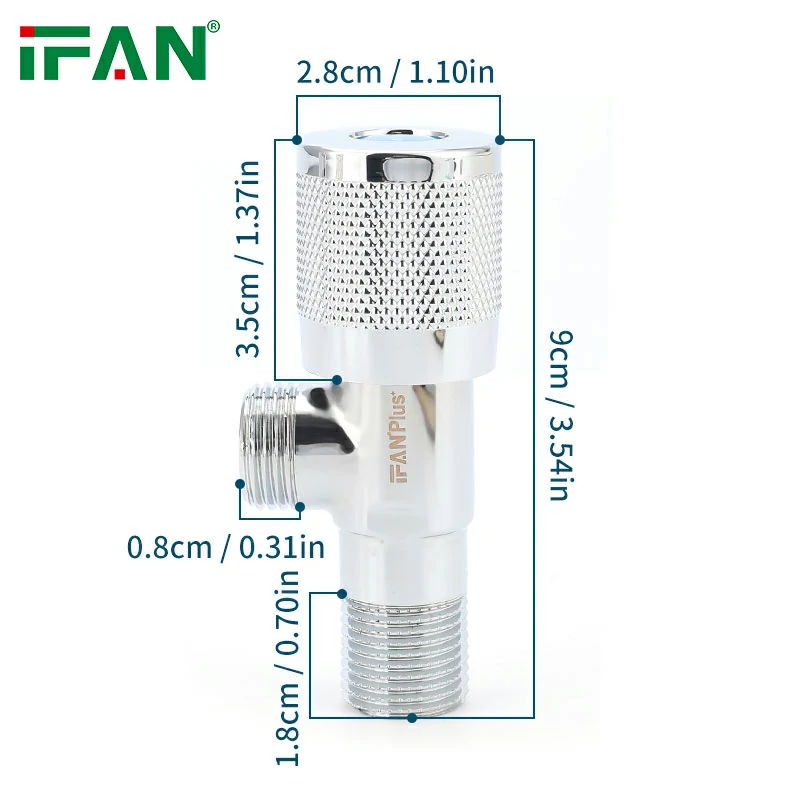
A brass angle valve with ceramic cartridge is a shut-off valve installed at a 90-degree angle that connects the water supply line to a fixture. The term "angle valve" refers to its shape, which allows efficient redirection of water flow in tight spaces such as under sinks or behind toilets. The "ceramic cartridge" describes the internal valve mechanism that regulates water flow using two hardened ceramic discs, offering better sealing and durability than traditional rubber washers.
The combination of brass body and ceramic cartridge creates a valve that is robust, corrosion-resistant, and capable of maintaining watertight performance over years of daily use.
How Ceramic Cartridge Technology Works
Traditional valves use rubber or elastomer seals that wear down over time, especially under frequent use and temperature changes. In contrast, ceramic cartridge valves use two precisely machined ceramic discs that slide against each other to open or close water flow.
Key Characteristics of Ceramic Cartridge Technology
Hard surface discs: Ceramic discs are extremely durable and resistant to abrasion.
Tight sealing: Perfectly matched ceramic surfaces create a superior seal that prevents leaks even under pressure.
Smooth rotation: The cartridge mechanism requires only a quarter-turn (90°) to fully open or close, making operation effortless.
Temperature stability: Ceramic materials maintain integrity in both hot and cold water lines without deforming.
Together, these features make ceramic cartridge valves a preferred choice in quality plumbing applications.
Benefits of a Brass Angle Valve with Ceramic Cartridge
Exceptional Leak Resistance
Leakage is a common issue with traditional valve mechanisms that rely on rubber seals. Ceramic cartridges provide consistent sealing, reducing the risk of drips and micro-leaks that waste water and cause damage over time. This benefit makes them ideal for fixtures that require reliable shut-off.
Smooth and Easy Operation
The quarter-turn mechanism associated with ceramic cartridges allows users to open or close the valve quickly and with minimal effort. This smooth action contrasts with multi-turn valves, which can feel stiff or wear unevenly over time.
Durable and Long-Lasting
Brass bodies resist corrosion, rust, and heat, while ceramic cartridges resist wear from continuous opening and closing actions. Combined, these materials offer extended service life with less frequent replacement or maintenance.
Stable Performance in Hot and Cold Lines
Because ceramic cartridges tolerate thermal fluctuations without degradation, brass angle valves equipped with them function reliably in both hot and cold water lines. This makes them suitable for bathroom and kitchen fixtures alike.
Reduced Maintenance Needs
Thanks to the durability of ceramic cartridges and corrosion resistance of brass, these valves require minimal maintenance compared with traditional rubber-seal valves. Periodic inspection and gentle cleaning are typically sufficient to maintain performance.
Common Applications in Plumbing Systems
Brass angle valves with ceramic cartridges are suitable for a variety of residential and commercial applications:
Bathroom sink faucets
Kitchen faucets
Toilets and bidet spray (shattaf) installations
Utility sink connections
Washing machine water lines
Commercial washrooms
In each case, the valve provides easily accessible water control at the point where the supply line meets the fixture.
Installation Considerations
Proper installation is essential to ensure long-lasting performance.
Match Pipe and Connector Types
Angle valves come with different inlet and outlet connections such as compression, push-fit, or threaded fittings. Ensure the valve matches your existing plumbing material and pipe size for a secure fit.
Shut Off Main Water Supply
Before installing the valve, turn off the main water supply to prevent accidental leaks. Flush the line to remove residual water from the plumbing.
Apply Thread Sealing Tape
Wrap approved plumber's tape (Teflon tape) around threaded connections to create a reliable watertight seal. Proper sealing reduces the risk of leaks at joints.
Tighten Connections Carefully
Use the appropriate wrench to tighten connections snugly, without over-torquing. Excessive force can damage threads or deform seals, while insufficient tightening can allow leaks.
Maintenance Best Practices
Although ceramic cartridges and brass bodies require minimal upkeep, regular simple maintenance ensures consistent performance.
Operate Periodically
Turning the valve on and off occasionally keeps the ceramic cartridge moving smoothly and prevents stiffness from mineral deposits.
Inspect for Leaks
Check connections and the valve body periodically for signs of moisture or drips. Early detection allows corrective action before larger problems develop.
Clean External Surfaces
Wipe off mineral buildup or soap residue on the valve exterior with mild soap and water. Avoid harsh chemical cleaners that can damage finishes.
Replace Seals When Needed
While ceramic cartridges rarely fail, O-rings and external seals can wear. Replacing these components extends overall valve life and ensures continued leak-free performance.
How to Choose the Right Brass Angle Valve with Ceramic Cartridge
When evaluating options, consider the following criteria:
Material Grade and Certification
Choose valves made from high-quality brass with appropriate certification for potable water use. Lead-free brass alloys are ideal for drinking water systems and modern plumbing standards.
Valve Mechanism
Ceramic cartridges with proven smooth operation and long service life are preferable. Look for valves that clearly specify ceramic disc technology.
Connection Compatibility
Verify that inlet and outlet sizes match your plumbing system to avoid additional adapters, which can become potential leak points.
Pressure and Temperature Ratings
Ensure the valve's ratings align with local water pressure and temperature conditions, especially for hot water applications.
Finish and Aesthetic
While internal function is crucial, choosing a finish that matches your bathroom or kitchen fixtures enhances visual cohesion.
Conclusion
A brass angle valve with ceramic cartridge delivers reliable, leak-resistant water control for modern plumbing systems. Combining the corrosion resistance and strength of brass with the precision sealing of ceramic cartridges, these valves provide smooth operation, long service life, and exceptional performance in both hot and cold water applications. By selecting quality materials, ensuring proper installation, and performing periodic maintenance, homeowners and professionals can enjoy dependable water control for fixtures across bathrooms, kitchens, and utility areas. Investing in a brass angle valve with a ceramic cartridge enhances plumbing reliability, reduces maintenance needs, and contributes to a more efficient water system overall.