
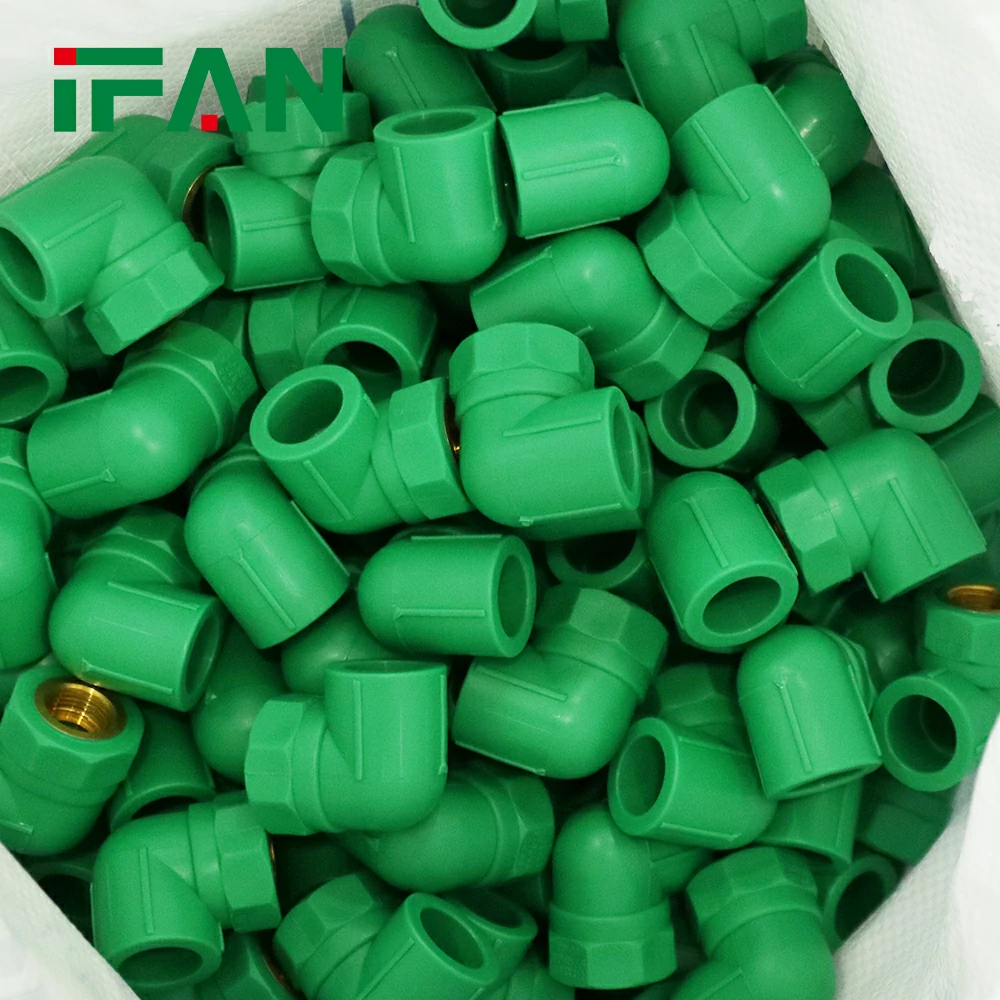
Polypropylene Random Copolymer (PPR) fittings have gained popularity in modern plumbing systems due to their durability, chemical resistance, and ease of installation. One of the most critical factors to consider when using PPR fittings is their temperature range. Understanding the operating limits ensures both safety and longevity of the plumbing network.IFAN factory 30+ years manufacture experience support color /size customization support free sample.Welcome to consult for catalog and free samples.This is our Facebook Website:www.facebook.com.
PPR fittings are designed to operate efficiently in temperatures ranging from -10 to 95 °C. This wide temperature range makes them suitable for both cold and hot water systems. For cold water pipelines, PPR fittings perform reliably even in sub-zero environments. At the same time, they withstand high-temperature conditions typical in domestic hot water supply. This versatility is a key reason why PPR fittings are preferred in residential, commercial, and industrial applications.
Features and Benefits of PPR Fittings
PPR fittings are lightweight, which simplifies handling and reduces labor costs during installation. Their smooth internal surface minimizes friction, allowing for efficient water flow and reducing energy consumption in pumping systems. Unlike metal pipes, PPR fittings do not corrode, preventing water contamination and prolonging the life of the plumbing system. Furthermore, their chemical resistance allows for use in industrial applications where mild chemicals are transported, without compromising the integrity of the piping system.
Another significant advantage of PPR fittings is their thermal stability. Even at temperatures near the upper limit of 95 °C, PPR maintains structural integrity and does not deform under normal pressure conditions. However, it is essential to avoid prolonged exposure to temperatures above 95 °C, as it can reduce the service life of the fitting.
Applications of PPR Fittings
The temperature range of -10 to 95 °C makes PPR fittings highly versatile. They are commonly used in:
Domestic Plumbing: Ideal for supplying both hot and cold water in kitchens, bathrooms, and laundry areas.
Heating Systems: Suitable for underfloor heating or hot water circulation, ensuring efficient thermal performance.
Industrial Water Systems: Chemical resistance and high-temperature tolerance make them appropriate for certain industrial water transport applications.
Food and Beverage Industry: PPR fittings comply with hygiene standards and are used in transporting potable water safely.
Installation Tips
Correct installation is vital to ensure that PPR fittings perform optimally across their temperature range. Before welding, ensure that pipe ends are clean and dry. Use high-quality fusion equipment to avoid weak joints. When joining fittings, follow manufacturer guidelines for fusion temperature and heating time. Proper support and spacing are also important, especially for hot water systems, to accommodate thermal expansion and prevent undue stress on the joints.
Comparison with Other Materials
Compared to traditional metal fittings, PPR offers several advantages:
Corrosion Resistance: Unlike copper or galvanized steel, PPR does not rust or corrode over time.
Flexibility: PPR can expand slightly under high temperature, reducing the risk of cracks during thermal stress.
Lower Maintenance: Systems built with PPR require minimal maintenance over their lifespan.
Cost Efficiency: PPR fittings and pipes are generally less expensive to purchase and install than metal alternatives.
However, PPR fittings have limitations. They should not be used for steam transport or in systems where temperatures exceed 95 °C. Additionally, direct exposure to sunlight over extended periods can degrade the material, so outdoor installations require protection.
Conclusion
Understanding the temperature range of -10 to 95 °C is essential when choosing PPR fittings for plumbing and heating systems. Their durability, chemical resistance, and thermal stability make them a reliable choice for a variety of applications. By following proper installation practices and adhering to temperature limits, PPR fittings provide a safe, cost-effective, and long-lasting solution for both domestic and industrial water systems.
For anyone designing or upgrading a plumbing system, considering PPR fittings within this temperature range ensures efficient operation and minimal maintenance challenges, contributing to overall system reliability and safety.