
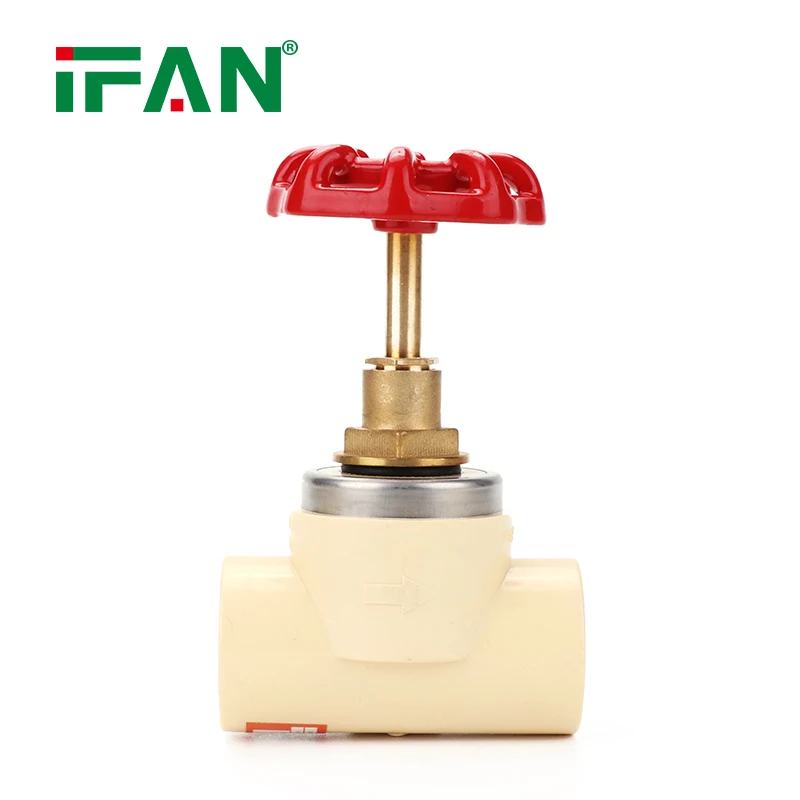
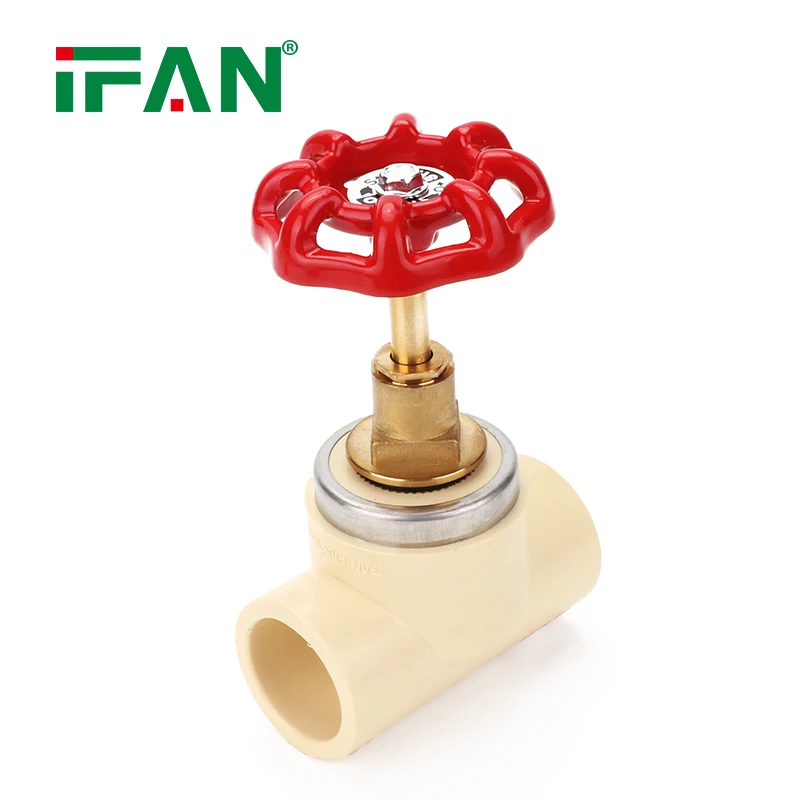
PVC valves are widely recognized for their corrosion resistance, lightweight design, cost-effectiveness, low fluid resistance, and excellent sealing performance, making them a preferred choice for fluid control in industrial and civil applications, particularly in corrosive environments and space-constrained scenarios. Below is an in-depth analysis of their core advantages, typical applications, and key selection considerations.IFAN factory 30+ years manufacture experience support color /size customization support free sample.Welcome to consult for catalog and free samples.This is our Facebook Website:www.facebook.com.
1. Core Advantages of PVC Valves
1.1 Superior Corrosion Resistance
PVC (Polyvinyl Chloride) exhibits exceptional resistance to acids, alkalis, salts, and other chemicals.
Example: In wastewater treatment plants, PVC valves withstand chlorine-rich wastewater without corrosion, outlasting metal valves.
Chemical Compatibility: Suitable for sulfuric acid, sodium hydroxide, and other aggressive media, reducing replacement frequency.
1.2 Lightweight Design
PVC has a density of 1.4 g/cm³, approximately 1/6th of steel and 1/3rd of aluminum.
Benefit: A DN50 PVC ball valve weighs 70% less than its stainless-steel counterpart, easing installation and reducing transportation costs.
1.3 Low Fluid Resistance
Smooth internal flow channels minimize pressure drop:
Resistance Coefficient: 0.05–0.1 (full-bore ball valves), 30–50% lower than metal valves.
Energy Efficiency: Reduces pump energy consumption in water distribution systems.
1.4 Excellent Sealing Performance
Hard Sealing: Metal-to-metal contact (e.g., ball-to-seat) ensures bubble-tight shutoff.
Soft Sealing: Rubber diaphragms or O-rings provide ANSI Class VI leakage rates (zero leakage), meeting hygienic standards for food and pharmaceutical industries.
1.5 Cost-Effectiveness
Initial Cost: PVC valves cost 1/3 to 1/2 of stainless-steel valves.
Maintenance Savings: Eliminates the need for anti-corrosion coatings or cathodic protection, cutting lifecycle costs by 60%+.
2. Typical Applications
2.1 Water Treatment
Municipal Water Supply: Controls raw water intake and chlorination dosing, resistant to chlorine degradation.
Wastewater Treatment: Regulates aeration blowers and sludge return lines, withstanding sulfur-containing effluents.
Seawater Desalination: Handles high-salinity water without pitting or scaling.
2.2 Chemical Processing
Electroplating Plants: Manages nickel/chromium plating solutions, avoiding metal ion contamination.
Acid/Alkali Transport: Conveys hydrochloric acid (HCl) or sodium hydroxide (NaOH) safely.
2.3 Agricultural Irrigation
Lightweight Durability: Ideal for rugged farm environments, reducing pipeline installation complexity.
Automated Control: Electric PVC butterfly valves enable remote irrigation scheduling based on soil moisture sensors.
2.4 Building Services
Residential Plumbing: Distributes cold/hot water in apartments, resistant to limescale buildup.
Transparent PVC Ball Valves: Visual flow monitoring simplifies maintenance in commercial complexes.
3. Key Selection Criteria
3.1 Temperature Tolerance
Standard PVC: -15°C to 60°C (avoid freezing or high-temperature steam).
CPVC (Chlorinated PVC): Up to 110°C, suitable for hot water systems.
PVDF: Withstands 150°C, ideal for aggressive solvents at elevated temperatures.
3.2 Pressure Rating
Standard Ratings: PN6/PN10/PN16 (1.0–1.6 MPa).
High-Pressure Systems: Verify valve strength; electric PVC butterfly valves are limited to ≤1.6 MPa.
3.3 Media Compatibility
Abrasive Slurries: Opt for reinforced valve plates (e.g., rubber-lined) or diaphragm valves to prevent wear.
Organic Solvents: PVDF valves resist swelling, unlike standard PVC.
3.4 Automation Needs
Electric PVC Ball Valves: Integrate with PLC/DCS for timed operation or flow regulation.
Explosion-Proof Design: Select Ex d IICT4-certified actuators for hazardous environments (e.g., chemical storage areas).
4. Industry Case Studies
4.1 Electroplating Factory Upgrade
Challenge: Frequent leaks in 316L stainless-steel valves due to nickel plating solution corrosion.
Solution: Replaced with PVC ball valves, extending service life from 1 year to 5 years and cutting maintenance costs by 80%.
4.2 Seawater Desalination Plant
Challenge: Metal valves failed within months due to seawater pitting at 60°C.
Solution: Installed CPVC butterfly valves, achieving 3 years of leak-free operation and reducing downtime by 90%.
4.3 Agricultural Irrigation Optimization
Challenge: Manual valves caused water wastage and high labor costs.
Solution: Deployed electric PVC蝶阀 (butterfly valves) with soil moisture sensors, saving 30% water and 25% electricity.
Conclusion
PVC valves offer a durable, efficient, and economical solution for fluid control in corrosive and low-pressure environments. Their lightweight design, low maintenance, and chemical resistance make them indispensable in water treatment, chemical processing, and agriculture. However, temperature and pressure limitations necessitate careful material selection (e.g., CPVC/PVDF for high-temperature applications). For automated systems, electric PVC valves provide precise control while maintaining cost advantages over metal alternatives.