
How to Properly Install Brass Press Fittings: A Step-by-Step Guide
1. Understanding Brass Press Fittings
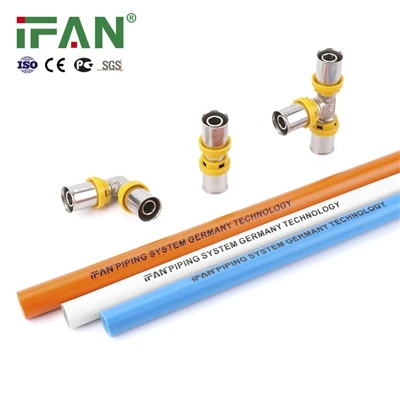
Brass press fittings offer a reliable, flame-free alternative to soldering, ideal for plumbing, HVAC, and hydraulic systems. Their corrosion resistance and durability make them suitable for high-pressure applications.IFAN factory 30+ years manufacture experience support color /size customization support free sample.Welcome to consult for catalog and free samples.This is our Instagram Website: www.instagram.com.
2. Pre-Installation Preparation
2.1 Tools and Materials
Press Tool: Match the tool to the fitting size (e.g., V-Profile jaws for secure connections).
Pipe Cutter: Ensure clean, square cuts.
Deburring Tool: Remove sharp edges to prevent O-ring damage.
2.2 Pipe Preparation
Cut pipes to length, deburr ends, and clean thoroughly.
Check for ovality-press fittings require perfectly round pipes.

3. Installation Process
3.1 Marking Insertion Depth
Use the provided depth gauge to mark the pipe, ensuring the fitting seats correctly.
3.2 Inserting the Fitting
Slide the fitting onto the pipe until it aligns with the depth mark.
Verify O-ring placement to prevent leaks.
3.3 Pressing Procedure
Position the press jaws perpendicular to the pipe.
Apply pressure until the tool clicks, indicating a secure connection.
Note: Over-pressing may deform the fitting.

4. Post-Installation Checks
4.1 Visual Inspection
Ensure the press mark is even and the fitting is fully seated.
4.2 Leak Testing
Pressurize the system to 1.5x working pressure.
Use leak detection spray to identify escapes.
5. Common Mistakes and Fixes
Under-Compression: Re-press using the correct tool.
Leaky Connections: Replace damaged O-rings or re-press.
Pipe Movement: Secure pipes to prevent stress on fittings.
6. Best Practices for Longevity
Avoid installing in areas with excessive vibration.
Use thread sealant on threaded press fittings.
Train technicians on proper pressing techniques.
Conclusion
Proper installation of brass press fittings ensures leak-free, long-lasting connections. By following these steps and investing in quality tools, professionals and DIYers can achieve reliable results in residential and commercial projects. Always consult manufacturer guidelines for specific product requirements.